Mountain View Dental Logo Pleasant View Utah

Mountain View Dental

Pleasant View Dental Office

(385) 324-3557 Pay Online Book Online
  • General Dentistry
    • Family Dentistry
    • Dental Exams
    • Teeth Cleaning
    • Dental Crowns
    • Dental Fillings
    • Tooth Extractions
    • Digital X-Rays
    • Fluoride Treatment
    • Root Canals
    • Dental Emergencies
    • Sedation Dentistry
  • Cosmetic Dentistry
    • Dental Implants
    • Smile Makeover
    • Teeth Whitening
  • About
    • Our Office
    • Meet The Team
      • Dr. Ryan Bateman
      • Dr. Dirk Lighthall
      • Dr. Stephen Smith
    • Pricing
    • FAQ
    • Blog
    • Testimonials
    • Pay Online
  • New Patients
  • Contact
  • Schedule Appointment

Home | Archives for % | Page 40

Tooth extraction is a fairly straightforward surgical procedure, but it is still a surgical procedure. This means that there are some things the patient should do and other things they should avoid in the hours and days after the tooth is pulled.

Some Things To Do Are:

Do's and Don'ts After a Tooth Extraction

Rest
Because an extraction is so simple, most patients feel that they need to get back into the swing of things as soon as possible. This is a mistake. The body still needs to heal, so it is best if the patient takes it easy for a day or two. 

Use Ice Packs
It is normal for that part of the face where the tooth was extracted to be a bit swollen. It is okay to put an ice pack against it, but never put ice directly on the skin. Dentists recommend that the ice pack be put on for 15 minutes, and taken off for 15 minutes in one- to two-hour stretches of time. 

Let the Clot Form
A blood clot is going to form where the tooth was pulled. This is normal and is part of healing. After the extraction, the dentist will place some gauze over the clot. The patient should bite down on it, and make sure it’s kept in place for an hour or more. Replaced it after it becomes saturated. One well-known tip is to place a wet, cold tea bag over the surgical site and bite down on it if the bleeding doesn’t stop. The tannic acid in the tea can stop the bleeding and help the area to clot.

Call the Doctor If Things Get Worse
The patient should call the doctor if their bleeding doesn’t stop, if their pain medicine doesn’t work and if they experience nausea or vomiting. They should call if swelling and redness gets worse instead of better, there are signs of pus in the surgical wound, or if they develop a dry socket. This is when the clot either fails to form or falls out. This exposes the nerves and delays healing. 

Here Are Some Don’ts:

Don’t Eat Solid Foods Right After Your Surgery
For one thing, the patient is going to be numb on one side after the surgery. If they eat immediately, they may end up chewing their tongue or the inside of their cheek. Only take solids after the numbness wears off. In the meantime, eat a soft or liquid diet.

Don’t Skip Medications
The patient shouldn’t wait till they are in excruciating pain before they take their pain medications, and they must finish the entire course of antibiotics no matter how well they feel. 

Do’s and Don’ts After a Tooth Extraction

Tooth extraction is a fairly straightforward surgical procedure, but it is still a surgical procedure. This means that there are some things the patient should do and other things they should avoid in the hours and days after the tooth is pulled.


Filed Under: Extraction

Did you know that whitening your teeth can be as easy as changing up your diet? Most people know that certain foods can stain your teeth, such as coffee and dark juices, but few are aware of how foods can make your teeth whiter and brighter.

FOOD #1: Strawberries

Strawberries


Strawberries contain an enzyme called malic acid, which is known to brighten your teeth.


FOOD #2: Dairy Products

dairy


It’s no secret dairy is good for your bones, but did you know they are also good for your teeth? Dairy contains lactic acid and calcium, which will not only strengthen your teeth but whiten them too.


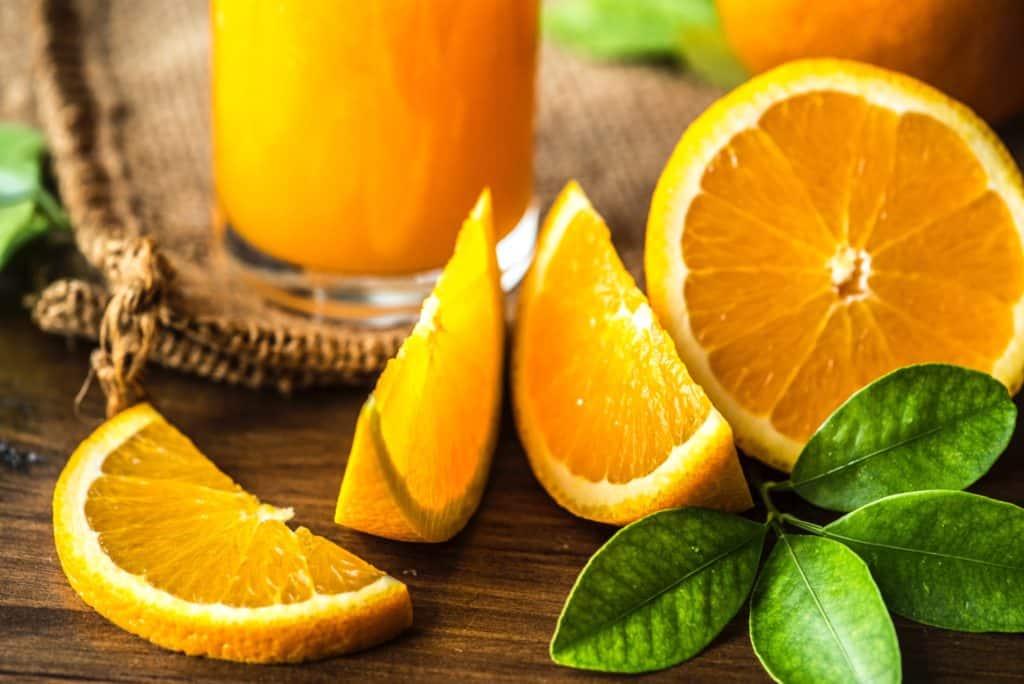
FOOD #3: Oranges and Pineapples

citrus


Pineapples and oranges are notoriously known for being tart. When you eat something tart, it can cause the mouth to produce more saliva, which will naturally wash the teeth and keep them squeaky clean and white.


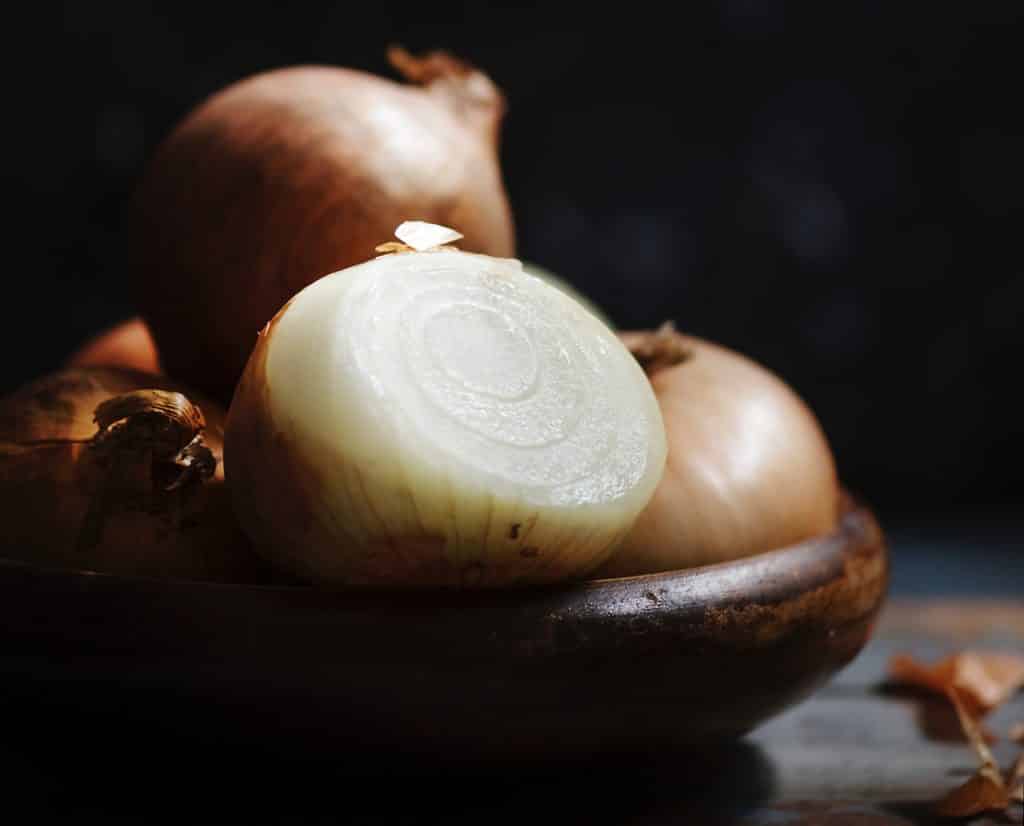
FOOD #4: Onions

onions


While onions may stink up your breath, they have specific compounds that keep the plaque from forming on your teeth.


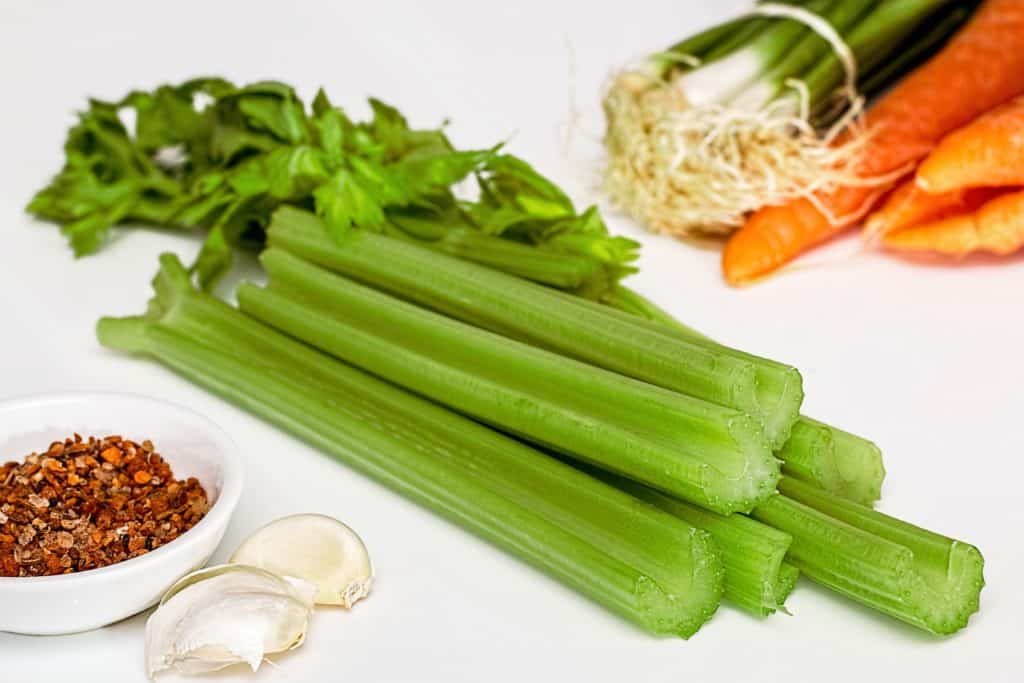
FOOD #5: Celery

celery


Celery’s high-water content will wash away the food debris and strengthen your gums-all at once.

Foods that Stain

FOOD #1: Coffee

coffee

Most people who drink coffee drink it on a regular basis, and when you are repeatedly drinking the dark liquid, it can easily darken and stain your teeth.

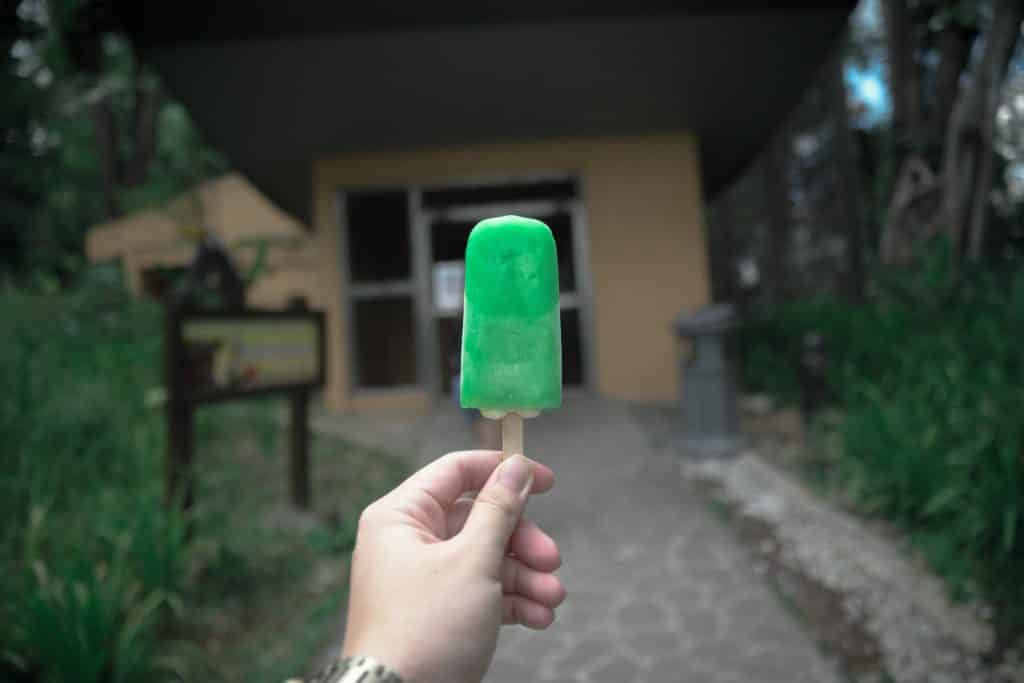
FOOD #2: Popsicle

popsicle

We all have experienced the aftermath of eating a bright colored popsicle. Your lips are a different color, your tongue is a different color, and so is your teeth. The rule of thumb is the lighter the popsicle, the less likely it is to stain and be damaging to your teeth. Keep in mind though, most popsicles have a high amount of sugar and acids that can wear away the teeth.

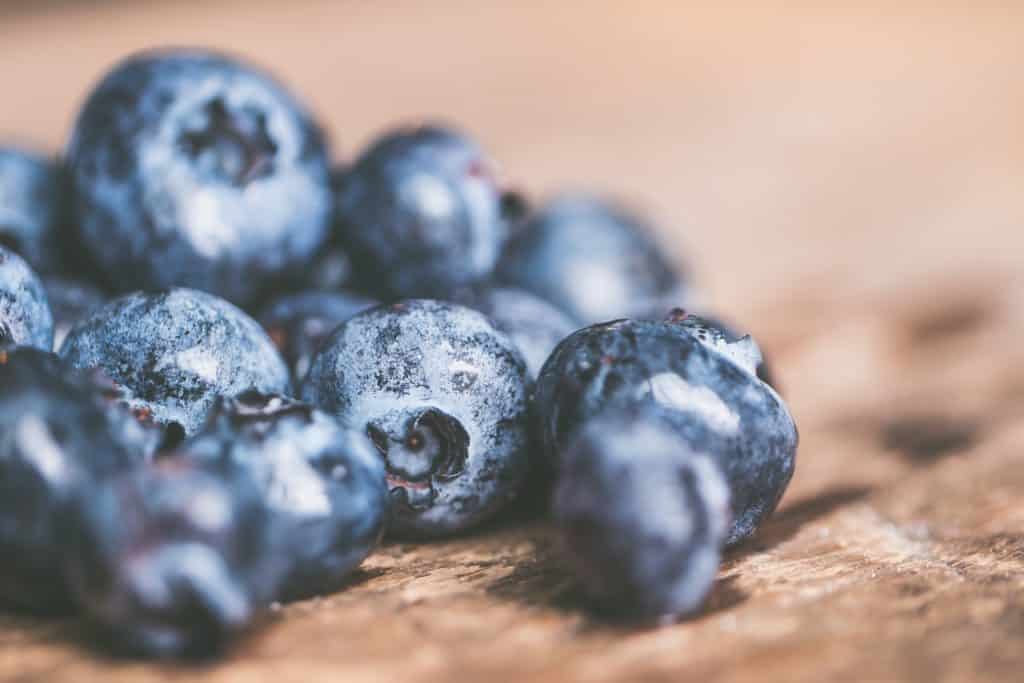
FOOD #3: Blueberries

blueberry

Blueberries are great for your health, however they can leave some pretty dark stains that are hard to get rid of.


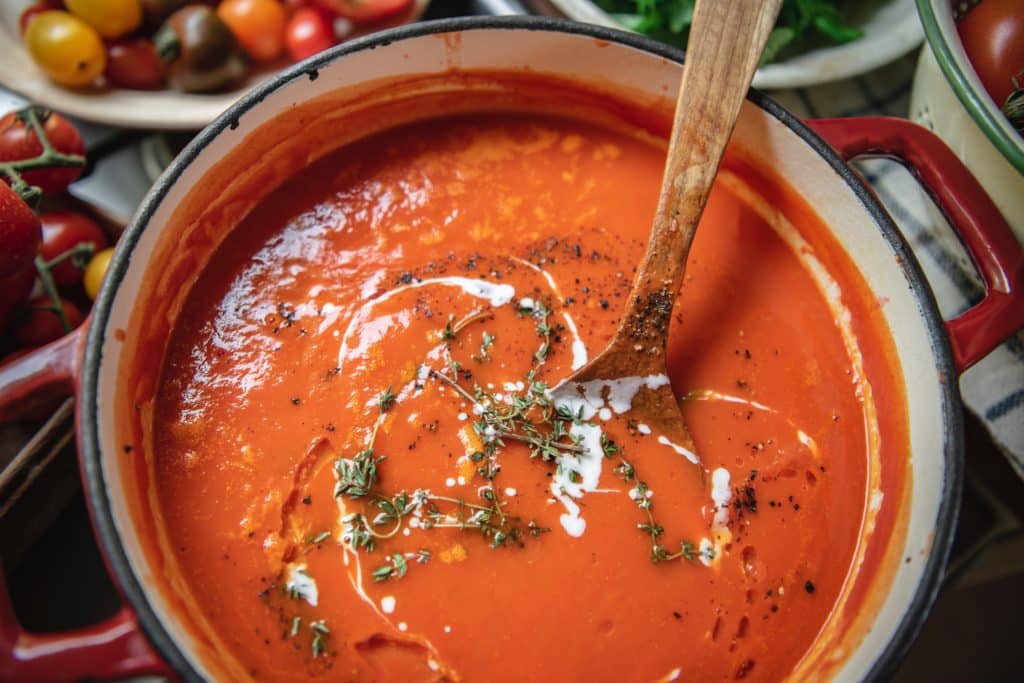
FOOD #4: Tomato Sauce

tomato

While sauce is a great topping, it can darken your teeth. Luckily, there are many things you can do to still enjoy them while keeping your teeth pearly white. For instance, eating a salad beforehand, drinking lots of water during the meal, or brushing after eating.


FOOD #5: Soda

soda

The acids in soda and other carbonated drinks are famously known for staining your teeth. Not only does it stain, but the acids and sugar will also eat away your enamel.

Filed Under: Teeth Whitening

Brushing your teeth is a very important practice in order to facilitate adequate oral hygiene and prevent bacteria from growing in your mouth and teeth. However, something may be wrong if you notice blood coming from your mouth after you brush your teeth. This blood emanates from your gums, which are the areas of tissue that surround the necks of the teeth and covers parts of the jaw. 

If your gums are bleeding when you brush, the most likely cause is inadequate plaque removal. Plaque contains bacteria and germs which attack the healthy tissue around the teeth. Once this plaque gets a chance to facilitate the gums, the gums eventually become irritated and inflamed. This means that whenever you brush or floss, the gums can predispose to bleeding quite easily due to physical stimulation. If this is the case, you may be suffering from a condition called gingivitis. 

Gingivitis is generally painless, and the only symptom may be the bleeding gums themselves. Other signs that you may be suffering from gingivitis include swollen and tender gums, persistent bad breath, loose teeth and a change in the fit of your teeth when you bite down. Gums that bleed easily should not be ignored and if you are only suffering from these early symptoms, it can be reversed. 

If the plaque is not removed, eventually, the gums will separate and recede from the teeth. The gums will eventually deteriorate and gaps will begin to form in between the gums and teeth. This allows easy entry for bacteria to infiltrate and harden into full tartar. There are other factors that can put you at risk for bleeding gums.

Why Your Gums Sometimes Bleed

Gum disease, also known as periodontitis, is one of the leading causes of bleeding gums. Gum disease is typically linked to diabetes, cancer, stroke and heart disease. Even the sexual health of men has been linked with gum disease. Inflammation caused by periodontal disease has been suggested by scientists to be responsible for gum disease being associated with these conditions. There are other less common reasons such as a lack of Vitamins C and K, pregnancy-related gum inflammation and thrombocytopenia. 

Risk factors for gum disease include being over the age of 65, stress, medications such as anti-depressants and blood thinners and poor oral hygiene. Smoking also doubles your risk for gum disease, and regular use of tobacco can greatly lessen the effectiveness of potential treatments. 

In order to stop your gums from bleeding, you should see your dentist if you experience any of the early signs so that a dental care regimen can be recommended. In terms of specific actions that you can take to get your gums to stop bleeding is brushing after each meal, using fluoride toothpaste, flossing and seeing your dentist for regular cleanings. 

You can also visit the professionals at Mountain View Dental at their comfortable practice. You can consult them for questions about your condition and schedule an appointment. Be sure to take the initiative before the bleeding gets worse.

Filed Under: Sensitivity

  • « Previous Page
  • 1
  • …
  • 38
  • 39
  • 40
  • 41
  • 42
  • …
  • 61
  • Next Page »

Dentist Office

2797 U.S. 89 #201
Pleasant View, UT 84414

(385) 324-3557
[email protected]
Monday 8 AM - 5 PM
Tuesday 8 AM - 7 PM
Wednesday 8 AM - 7 PM
Thursday 8 AM - 7 PM
Friday 8 AM - 3 PM
Saturday 8 AM - 12 PM
Sunday Closed

Quick Links

New Patient
Schedule Appointment
FAQ

Proudly accepting new patients from: Pleasant View, North Ogden, Harrisville, Farr West, Marriott-Slaterville, Ogden, Plain City, South Willard, Willard and Perry!

Contact Us

This field is for validation purposes and should be left unchanged.

Follow Us

Popular Content

  • General Dentistry
  • Family Dentistry
  • Cosmetic Dentistry
  • Dental Crowns
  • Dental Exams
  • Dental Implants

© 2026 | Mountain View Dental | All Rights Reserved | Accessibility | Anti-Discrimination | Healthcare Disclaimer | HIPAA Privacy Policy | Privacy Policy | Terms | XML Sitemap | Sitemap | Site by PDM