Mountain View Dental Logo Pleasant View Utah

Mountain View Dental

Pleasant View Dental Office

(385) 324-3557 Pay Online Book Online
  • General Dentistry
    • Family Dentistry
    • Dental Exams
    • Teeth Cleaning
    • Dental Crowns
    • Dental Fillings
    • Tooth Extractions
    • Digital X-Rays
    • Fluoride Treatment
    • Root Canals
    • Dental Emergencies
    • Sedation Dentistry
  • Cosmetic Dentistry
    • Dental Implants
    • Smile Makeover
    • Teeth Whitening
  • About
    • Our Office
    • Meet The Team
      • Dr. Ryan Bateman
      • Dr. Dirk Lighthall
      • Dr. Stephen Smith
    • Pricing
    • FAQ
    • Blog
    • Testimonials
    • Pay Online
  • New Patients
  • Contact
  • Schedule Appointment

Home | Archives for %

Dental anxiety in North Ogden, Utah

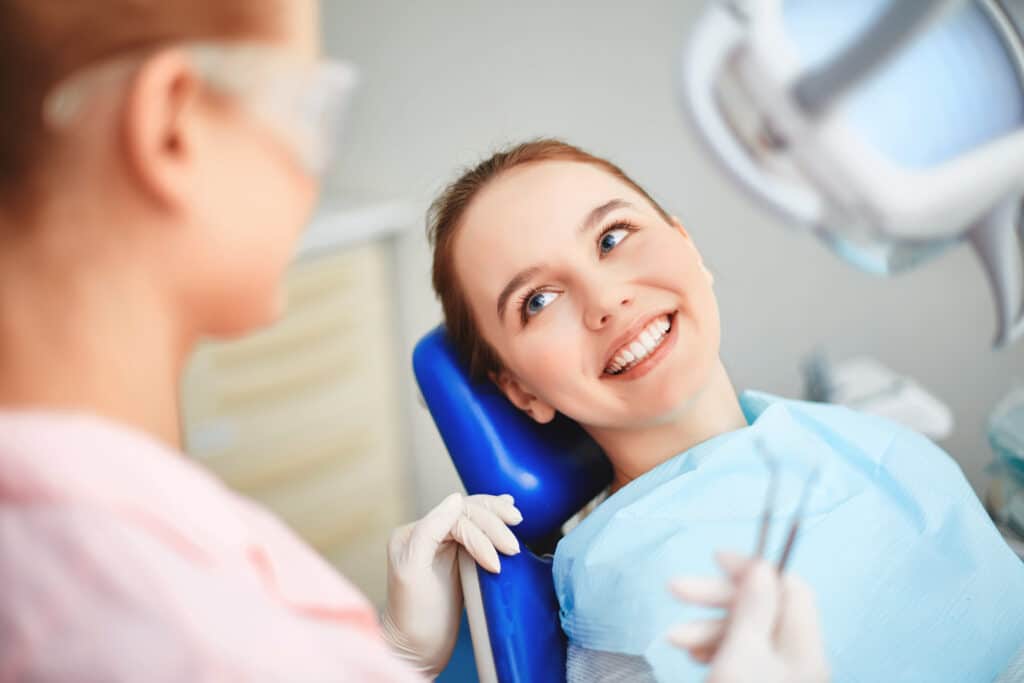
Dental anxiety affects millions of people across the United States, often causing them to delay or avoid dental visits altogether. Whether this anxiety stems from fear of pain, past traumatic experiences, or simply feeling out of control, it can have serious consequences for your oral health. However, overcoming this anxiety is possible with the right strategies and support.

At Mountain View Dental, we understand how detrimental this anxiety can be to your overall oral health and well-being. But we also understand how difficult it can be for patients to overcome this anxiety before coming into the office for an appointment. If you have experienced dental anxiety in the past and want to learn some techniques to help you overcome it, keep reading to see what our team recommends. 

Understanding Dental Anxiety

If you have dealt with dental anxiety in the past, you may worry that this is a feeling that only you experience. However, it is important to note that approximately 36% of people across the United States have reported experiencing this anxiety before a dental appointment. This anxiety manifests in a variety of ways, including increased heart rate, panic attacks, or sweaty palms.

While dental anxiety is common among adults, the cause for this anxiety tends to vary greatly. Often, it stems from a combination of factors, including: 

  • Fear of Pain: One of the most common reasons for dental anxiety is the fear of experiencing pain during or after your dental procedure.
  • Previous Traumatic Experiences: If you’ve had a negative experience during past dental visits, such as discomfort or perceived mistreatment, you may continue to experience ongoing anxiety.
  • Loss of Control: Some people feel anxious when they perceive a loss of control over their surroundings or the treatment process.
  • Embarrassment: Concerns about the condition of your teeth or potential judgment from the dentist or dental staff can also trigger anxiety.
Dental anxiety in North Ogden, Utah

Overcoming Dental Anxiety

Although your dental anxiety may seem overwhelming, there are several ways that you can address it and attempt to overcome it before an upcoming dental appointment. Some of the most common ways to overcome this anxiety are:

1. Open Communication

If you have experienced dental anxiety in the past, keeping an open line of communication with your dental team is a great way to begin to overcome it. This communication gives you an opportunity to ask plenty of questions and clarify anything that may leave you feeling concerned. Asking questions and discussing your upcoming procedure can help you prepare for what is ahead, so you’ll feel comfortable during the process. 

2. Gradual Exposure

If you are feeling nervous, it might be a good idea to start by scheduling a series of shorter, non-invasive appointments to acclimate yourself to the dental environment gradually. Starting with gradual exposure through dental cleanings or fluoride treatments also gives you an opportunity to get to know your dental team. When you know the people performing your services, you may begin to develop more trust in them. As your trust grows, you can begin to incorporate more extensive dental procedures.  

3. Relaxation Techniques

Practicing relaxation techniques such as deep breathing, meditation, or visualization can help you calm your nerves before and during your dental procedure. While you might not believe that these techniques can make a substantial difference, they are incredibly helpful for anxious dental patients. However, it is important that you practice these techniques before your appointment so you aren’t attempting them for the first time while you’re incredibly anxious. 

Dental anxiety in North Ogden, Utah

4. Distraction Techniques

Whether you enjoy listening to music, podcasts, or audiobooks, having an audio distraction is a great way to keep your mind busy during your appointment. If you use noise-canceling headphones, this distraction should also help you avoid the loud sounds coming from your dentist’s tools. If you’ve been looking forward to listening to a new podcast episode or starting a new audiobook, it might be best to save it for the day of your appointment. 

5. Sedation Options

While sedation options aren’t suitable for all dental procedures, more intensive procedures might be the perfect time to talk to your dentist about them. Whether they provide you with an oral sedative, IV sedative, or laughing gas, there are plenty of sedative options that make it much easier for individuals to get through their appointment without having to feel, hear, or see the procedure being performed. 

6. Choose the Right Dentist

Dentists aren’t one-size-fits-all. One dentist may be great for you, but they aren’t a great fit for someone else. If you are experiencing dental anxiety, look for a dentist who specializes in treating anxious patients. Read through reviews to see how your dentist responds to individuals with dental anxiety, and give the office a call to chat with them. They may inform you of amenities available to help you through this anxiety, like soothing music, comfortable seating, or overhead televisions to keep you distracted. 

Dental anxiety in North Ogden, Utah

Dental Professionals You Can Trust

Dental Anxiety can stand in the way of individuals seeking necessary dental care. But, when you work with a reliable dental team, like our team at Mountain View Dental, you can trust that the procedure will be done with patience and care. At Mountain View Dental, we have years of experience helping individuals overcome their dental anxiety, and we’re confident that we can do the same for you.

From veneers and teeth whitening to root canals and dental cleanings, our team provides a variety of dental services. We can help you schedule your appointments to ease back into receiving dental care. If you are ready to schedule a dental appointment in the North Ogden area or you’d like to speak to our team about the services we provide, don’t hesitate to reach out to us today for support. 
Filed Under: Dental Hygiene

Dental crown problems in Pleasant View, Utah

While you may do everything in your power to protect your teeth from damage, some damage is unavoidable. Thankfully, your dental office is equipped with a variety of services to protect your teeth in the event of unexpected damage, including dental crowns. Dental crowns play a crucial role in supporting your teeth following a variety of dental health problems. However, they are not infallible. 

Catching dental crown problems early is an essential part of caring for this new addition to your mouth. But what is a dental crown, and how do you know when you’re experiencing unexpected problems?

At Mountain View Dental, we understand how important it is to avoid dental crown problems when possible. But to do so, you need to know how to care for them and the signs to look out for to spot problems. If you’ve recently gotten a dental crown, keep reading to learn how to care for them and how to spot the most common problems you may experience. 

What is a Dental Crown?

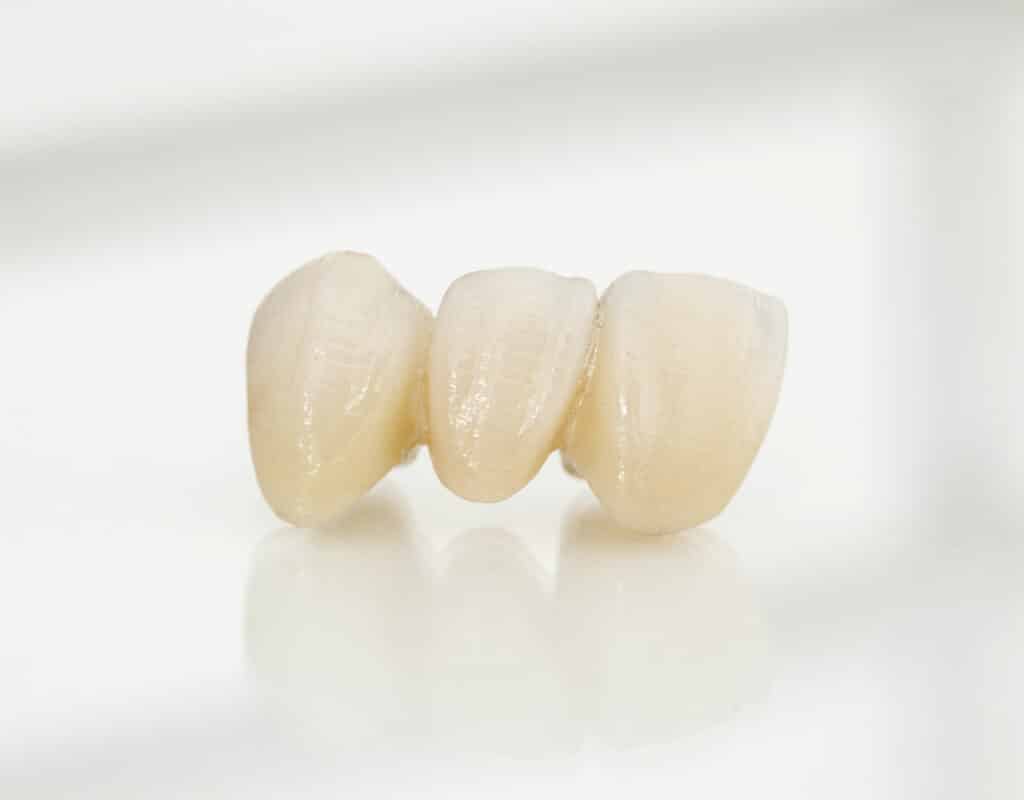
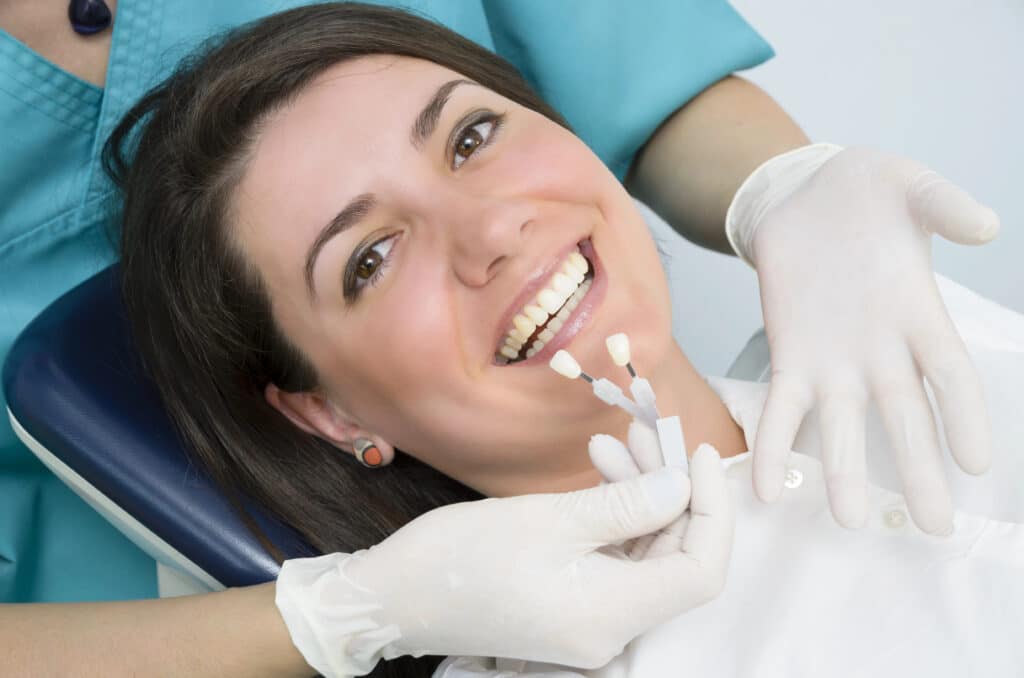
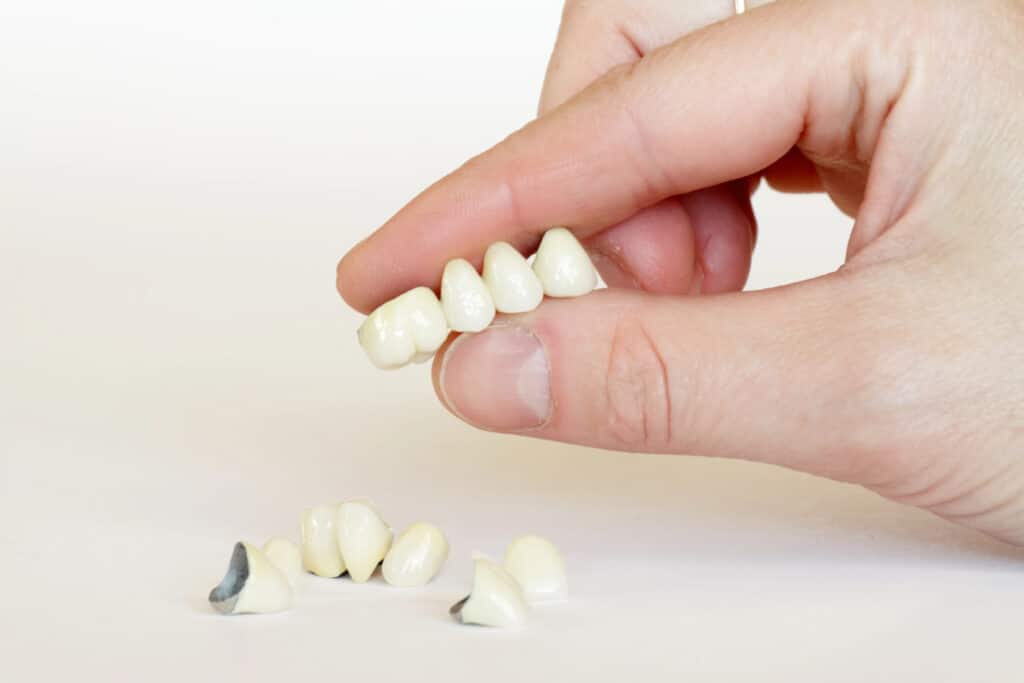
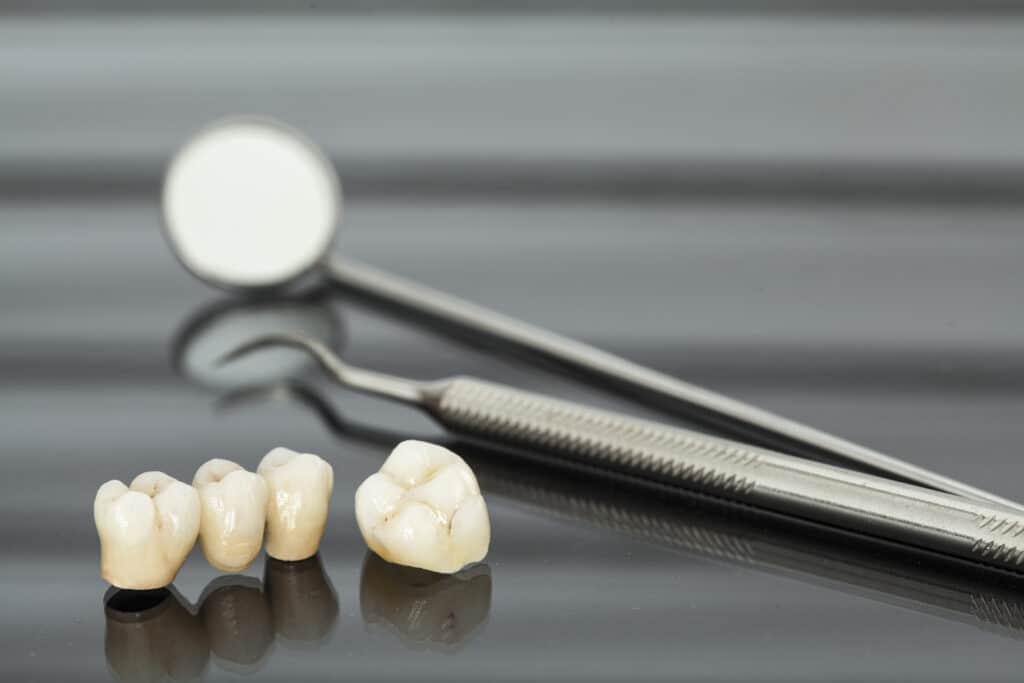
A dental crown is a tooth-shaped cap that is used by dentists to restore weak, broken, or decaying teeth. These caps are designed to fit snuggly over the top of your tooth. To ensure the best fit, your dentist will remove a small amount of enamel before bonding the crown in place. Once installed, your dental crown should blend in well with your natural teeth. 

There are a variety of reasons why your dentist may consider recommending dental crowns for your current dental health situation. Some of these reasons include:

  • Protection for cracked teeth
  • Strengthening weak teeth
  • Restoring broken teeth
  • Holding dental bridges in place
  • Covering a root canal-treated tooth
Dental crown problems in Pleasant View, Utah

How to Care for Your Dental Crowns

Immediately after your dental crown is fitted, there are a few things you should do to ensure the best chance for success. While you might be hungry, it’s best to avoid eating until your mouth is no longer numb. This prevents unexpected damage to the tooth or surrounding gums. You should also avoid eating until at least 30 minutes after the crown is installed while the cement sets. 

Also, be mindful when flossing the first time around your crown. Gently slide floss off of recently crowned teeth to avoid lifting it before it has fully set. Finally, make sure to take care of your gums during the recovery process. Swish with salt water at least three times a day to calm any inflammation. 

If, after your dental crown is set, you find that it isn’t fitting in your mouth well, don’t hesitate to contact your dentist. Your crown should align well with your surrounding teeth and shouldn’t cause any discomfort. If it does, your dentist can make any necessary adjustments to ensure it fits more comfortably. 

Is It Common to Experience Dental Crown Problems?

As a protective measure, it is not common to experience dental crown problems. However, this does not mean that it is impossible to experience some dental crown problems. You may experience dental crown problems if you fail to properly care for your teeth or you visit an unreliable dentist.

To avoid these problems, it is essential that you continue to properly care for your teeth. Ensure proper brushing at least twice a day to remove plaque and tartar, as well as flossing at least once a day to remove food debris. Additionally, check out your dentist’s reviews and testimonials before scheduling to ensure they are a trustworthy dental care provider. 

Dental crown problems in Pleasant View, Utah

The Most Common Dental Crown Problems

While it isn’t common to experience dental crown problems, there are a few complications that may arise. Some of the most common dental crown problems include:

 1. Loose Crown

It isn’t unheard of for the cement holding your dental crown in place to wash away over time. As it washes away, your crown may become looser. If your dental crown feels loose, this is likely the cause. Contact your dental care provider as soon as possible to have this corrected. Failure to address this can allow bacteria under the crown, leading to cavities and tooth decay. 

2. Cracks, Breaks, or Fractures

Much like with fragile appliances like braces, it might be in your best interest to avoid overly sticky or crunchy foods. If you continue to chew on ice, hard nuts, sticky candies, or popcorn with dental crowns, you may crack, fracture, or break your dental crown. Breaking a dental crown can be painful, so it is best to avoid these foods when possible. 

3. Allergic Reaction

While dental crown problems like allergic reactions are uncommon, they aren’t entirely unheard of. Some dental crowns contain metal, which can be an allergen for some. If you have inflamed gums, are itchy, or have hives, this might be a result of an allergic reaction and should be addressed by your dentist as soon as possible. 

4. Tooth Decay

As we mentioned above, it is essential to properly care for your teeth after your dental crown is installed. If you don’t take proper care of your teeth, there is still a chance of cavity development and tooth decay. Once this decay has progressed, your only option may be to have the tooth removed. Once you’ve gotten your dental crown, make sure that you are as consistent as possible with your oral care routine. 

5. Nerve Pain

Some sensitivity following your dental crown appointment. This is most common in newly covered teeth, so don’t worry. If you are experiencing sensitivity to hot and cold substances, make the switch to a toothpaste designed for sensitive teeth. This toothpaste should help make the transition much easier and prevent any more sensitivity. 

6. Uneven Bite

If your dental crown isn’t properly fitted to your mouth, you may find that you have an uneven bite. This uneven bite can lead to uneven wear on your teeth, which can lead to increased sensitivity. If you find that you are dealing with an uneven bite, contact your dentist about getting it resized to better fit the rest of your teeth. 

Dental crown problems in Pleasant View, Utah

Avoid Dental Crown Problems by Choosing the Pros

When it comes to handling dental crown problems, it is essential to work with a dental team that you can trust, and our team at Mountain View Dental is just that. With years of experience helping patients across the Northern Utah area treat and prevent a variety of dental ailments, we’re confident that we can do the same for you. 

In addition to our dental crown services, our team provides smile makeovers, fluoride treatments, extractions, and much more. If you are experiencing dental crown problems or it is time to get a dental crown installed, don’t hesitate to schedule an appointment. 

Filed Under: Crowns

Home fluoride treatments in Ogden, Utah

Maintaining great oral health is an important aspect of your overall well-being, and preventing tooth decay and cavities is a primary goal in oral care. Fluoride, a naturally occurring mineral, has long been hailed for its role in preventing cavities. While in-office fluoride treatments are a common practice, home fluoride treatments are becoming increasingly popular.

But how helpful are these treatments in preventing the development of cavities and boosting your overall oral health? At Mountain View Dental, we want you to understand the importance of fluoride treatments in your oral hygiene routine. If you are trying to decide between in-office and home fluoride treatments and aren’t sure which is the best fit for your routine, keep reading to see how each can benefit your oral health.

The Role of Fluoride in Cavity Prevention

Fluoride is known for its ability to strengthen tooth enamel, making it more resistant to the acid that contributes to cavity development. When used regularly, fluoride promotes the remineralization of the teeth, which can aid in repairing the earliest stages of tooth decay, preventing cavities before the even begin forming. This common dental ingredient is found in many different oral hygiene products, including toothpaste and mouthwash.

Traditionally, in-office fluoride treatments are administered by dental professionals during routine check-ups. These treatments are incredibly popular due to their ability to address the earliest signs of tooth decay effectively. However, advancements in oral care products have made it possible for individuals to use home fluoride treatments, helping them address cavities before heading into the office. 

In-Office Fluoride Treatments

In-office fluoride treatments involve the application of concentrated fluoride solutions or gels to the teeth by your dental professional during your routine dental appointment. The high-dose fluoride may help strengthen the enamel of your tooth, potentially preventing the development of cavities.

The procedure is quick, typically only taking a few minutes, and does a wonderful job of boosting your oral health. Your dental professional will tailor the treatment to meet your specific oral needs, ensuring the proper dosage and application.

Home fluoride treatments in Ogden, Utah

Benefits

There are a few major benefits of opting to receive in-office fluoride treatments. These benefits include: 

  • Professional Application: In-office treatments are administered by dental professionals who can ensure the proper dosage and application. When working with a professional, you can trust that this treatment will be beneficial for your oral health.
  • Higher Concentrations: Professional fluoride products used in your dental office may have a much higher concentration of fluoride than over-the-counter products. These higher dosages provide a much more potent treatment.

Drawbacks

While there are many benefits to receiving in-office fluoride treatments, these services don’t come without their drawbacks. Some of the drawbacks of in-office fluoride treatments include:

  • Time and Cost: In-office treatments require a dental appointment, which may not be the most convenient option for everyone. Additionally, these treatments can be more expensive than a home fluoride treatment, making them less accessible.
  • Frequency: While in-office fluoride treatments are incredibly effective, regular office visits may not be realistic or feasible for everyone, leading to potential gaps in your fluoride exposure. 

Home Fluoride Treatments

Home fluoride treatments involve the application of fluoride-based products in your daily oral care routine. Regular use of fluoride in your home routine helps to strengthen the enamel, making it more resistant to decay and cavity development. While they lack the professional supervision of in-office treatments, their consistent use, combined with regular dental check-ups, contribute to great overall oral health. 

Benefits

Home fluoride treatments in Ogden, Utah

There are many benefits to using a home fluoride treatment, especially if you don’t have direct access to a dentist. Some of the greatest benefits of a home fluoride treatment include: 

  • Convenience: The most significant benefit of using home fluoride treatments is the convenience of use. You don’t need to worry about scheduling a dental appointment to squeeze these treatments in when it works best for your schedule. 
  • Cost-Effective: Many home fluoride treatments are more a cost-effective solution than dental appointments. This is especially important if you don’t have dental insurance to help cover the cost of office visits. 
  • Consistent Use: While office visits provide a stronger fluoride treatment, home fluoride treatments allow for more consistent use of the product.

Drawbacks

As amazing as home fluoride treatments are, there are some drawbacks to them. Some of the drawbacks of using home fluoride treatments include: 

  • Self-Administration: When using home fluoride treatments, there is a risk of improper application or overuse. Overusing fluoride may lead to discoloration of the teeth or bone problems. 
  • Lower Concentrations: While home fluoride treatments are convenient to access, they aren’t nearly as strong as professional treatments. This means you will have to use the home fluoride treatments more frequently to reach the same efficacy. 

Finding a Balance for Your Best Dental Health

Both home and in-office fluoride treatments play an essential role in cavity prevention. The effectiveness of fluoride largely depends on the consistency of use and proper application. For those with a higher risk of cavities or those seeking a stronger treatment option, in-office fluoride treatments may be recommended to reach your desired effect. 

Home fluoride treatments in Ogden, Utah

Home fluoride treatments, on the other hand, are an excellent option for maintaining consistent fluoride exposure between visits to your dentist. Ultimately, the choice between home and in-office fluoride treatments should be based on your needs, preferences, and the risk of cavity development. 

If you’re considering home fluoride treatments but aren’t sure if they are the best fit for you, it might be best to consult with a dental professional. Our team at Mountain View Dental can help you determine the best fluoride treatments to improve your overall oral health. With years of experience helping patients across the Northern Utah area, we’re confident that we can help you develop your most beneficial oral hygiene routine.

In addition to our in-office fluoride treatments, we offer smile makeovers, dental crowns, root canals, and much more. If you would like to schedule an in-office fluoride treatment or would like to discuss your current oral hygiene routine with one of our professionals, don’t hesitate to contact our office today.

Filed Under: Fluoride

  • 1
  • 2
  • 3
  • …
  • 61
  • Next Page »

Dentist Office

2797 U.S. 89 #201
Pleasant View, UT 84414

(385) 324-3557
[email protected]
Monday 8 AM - 5 PM
Tuesday 8 AM - 7 PM
Wednesday 8 AM - 7 PM
Thursday 8 AM - 7 PM
Friday 8 AM - 3 PM
Saturday 8 AM - 12 PM
Sunday Closed

Quick Links

New Patient
Schedule Appointment
FAQ

Proudly accepting new patients from: Pleasant View, North Ogden, Harrisville, Farr West, Marriott-Slaterville, Ogden, Plain City, South Willard, Willard and Perry!

Contact Us

This field is for validation purposes and should be left unchanged.

Follow Us

Popular Content

  • General Dentistry
  • Family Dentistry
  • Cosmetic Dentistry
  • Dental Crowns
  • Dental Exams
  • Dental Implants

© 2026 | Mountain View Dental | All Rights Reserved | Accessibility | Anti-Discrimination | Healthcare Disclaimer | HIPAA Privacy Policy | Privacy Policy | Terms | XML Sitemap | Sitemap | Site by PDM