Mountain View Dental Logo Pleasant View Utah

Mountain View Dental

Pleasant View Dental Office

(385) 324-3557 Pay Online Book Online
  • General Dentistry
    • Family Dentistry
    • Dental Exams
    • Teeth Cleaning
    • Dental Crowns
    • Dental Fillings
    • Tooth Extractions
    • Digital X-Rays
    • Fluoride Treatment
    • Root Canals
    • Dental Emergencies
    • Sedation Dentistry
  • Cosmetic Dentistry
    • Dental Implants
    • Smile Makeover
    • Teeth Whitening
  • About
    • Our Office
    • Meet The Team
      • Dr. Ryan Bateman
      • Dr. Dirk Lighthall
      • Dr. Stephen Smith
    • Pricing
    • FAQ
    • Blog
    • Testimonials
    • Pay Online
  • New Patients
  • Contact
  • Schedule Appointment

Home | Archives for % | Page 39

The primary function of our teeth is to help us chew our food so our body can digest it properly. They also play a large role in how we speak, drink, and can even be indicators of potential health problems in other areas of our body. Let’s go over the anatomy of teeth and the function of each.

Four Tooth Types and Their Functions

  • Incisors: You have eight incisors total, four on top and four on the bottom. Incisors help you to bite and break food. Your temporary incisors are usually developed by six to seven months old. When these fall out during childhood, the permanent incisors grow in their place. Incisors help you bite and break food.
  • Canines: Your canines are located next to the lateral incisors. Canines allow you to tear up your food. You have four canine teeth, two on top and two on the bottom. They generally develop around 16 months of age. After they fall out around 9 years old, the permanent canines come in behind them.
  • Premolars: The temporary premolars are fully developed around 11 years of age. There are four premolars on each side of the canines. Premolars help to chew and crush food.
  • Molars: Your permanent molars come in once your premolars fall out. Like the premolars, they help you to chew and crush food. However, the permanent molars are stronger than the premolars and they help to assist your tongue with swallowing food.

Some people develop a fifth type of tooth, called a third molar. Third molars are rare, but if a person does develop them it tends to happen around 18 years of age. Third molars can cause pain and overcrowding, so it is not uncommon to have them removed if/when they do develop.

Gross Anatomy of Teeth
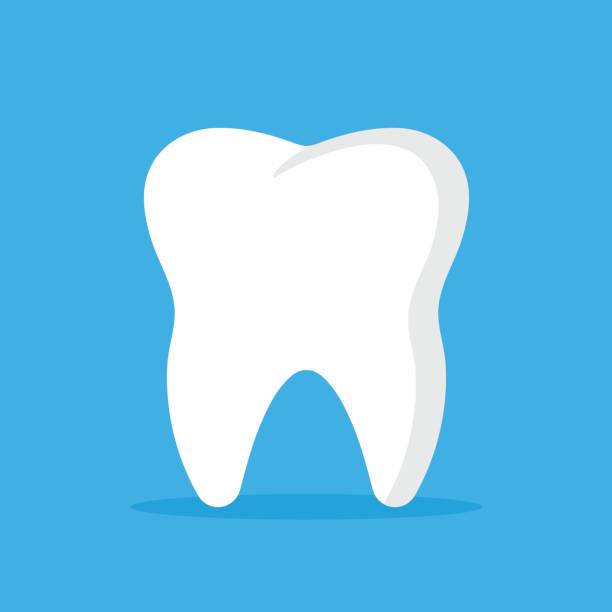
The Anatomy of the Tooth

The anatomy of the tooth includes the crown, the neck, and the root. The crown is the area of a tooth that is visible above the gum line. The neck is the area of the tooth that is on the gum line. The root is the region of the tooth that is below the gum line. Inside the tooth is a “live tissue” called dentine.

This tissue contains tiny tubules throughout the structure. These tubules connect with the central nerve of your tooth within the pulp. The dentine of the root, below the gum line, is covered with a hard bone-like substance called cementum. The central chamber of the tooth contains what is called “pulp”. This tissue contains blood vessels, nerves, and small lymph vessels.

Tips for Strong and Healthy Teeth

Brush at least twice daily, and floss at least once daily. Replace your toothbrush every 6 months. Limit consumption of sugary foods and acidic foods. Schedule a cleaning with a dentist at Mountain View Dental every six months. Their friendly staff is available to help, should you need to call with questions or schedule an appointment. Mountain View Dental only hires the best dentists, so you can rest assured you will receive the care you need here.


Filed Under: Dental Info

If you want to find a new job after a layoff or if you want to improve your career options, then you should have a fantastic appearance. In addition to choosing the appropriate clothing and having a great hairstyle, you should make sure that you have an attractive smile. You may have teeth that aren’t in the best condition because of decay, stains or an injury that leads to an ugly smile with discolorations or small chips, but with cosmetic dentistry, you can choose from a variety of treatments so that you will have a perfect smile. Here are some of the ways that our dental services can improve your career.

Improvement 1: Receiving a Job Offer Faster In a Competitive Market

When you are looking for a job, you can make a better impression with a pleasing smile. Some human resource managers make a fast decision about employing you that is based on your facial appearance. Before going on your job interviews, you should have a teeth-whitening procedure to eliminate the ugly stains from tobacco, foods, and beverages. In addition to making your teeth look better, whitening your teeth can improve your breath. Our dentist can also repair dental problems such as the chips on the edges of your teeth. In many cases, you can have new dental crowns placed on your severely damaged teeth right away so that you can enjoy the benefits from a new smile immediately.

Improvement 2: You Will Look Healthier and More Youthful

Why Cosmetic Dentistry Can Help Your Career

Employers want to hire workers who look vibrant and healthy, but the aging process can make your teeth look terrible. However, with cosmetic dentistry, you can gain a youthful appearance again with only a few treatments to eliminate the wear and tear on your teeth. Our dentist can perform a smile makeover that includes repairing your teeth and your gums, giving you a unique smile. When your smile is beautiful and your teeth are white, employers and coworkers will think that you are younger than you are, and in addition, they will assume that you also live a healthier lifestyle, making you the best person to hire for a particular job.

Improvement 3: Increasing Your Self-Confidence While You Are at Work

Having a gorgeous smile while you are at work will give you more self-confidence. You won’t feel embarrassed about talking to your coworkers or to clients. With an attractive smile, you will feel better about making presentations at work or giving a speech to prospective customers. With an assortment of dental repairs, your teeth and gums will look great from every angle so that you won’t try to hide your mouth while you are chewing food or talking to others. Change your life by arranging a smile makeover consultation with our dentist. At Mountain View Dental in Pleasant View, Utah, we have a comfortable office and a professional staff. Call us today at 385-324-3557 to ask questions and to schedule an appointment to learn more about our cosmetic dentistry services.

Filed Under: Cosmetic Dentistry

Every single one of us is fighting plaque buildup on our teeth every day.

What is dental plaque? Dental plaque is a microbial biofilm that sticks to your teeth. It can build up anywhere above or below your gum line, but it particularly thrives in the deep crevices around your molars. In this position, it’s harder to reach.

Dental plaque is often colorless or pale yellow in color. It can damage teeth, wearing away at your enamel and contributing to tooth decay. It also causes red or swollen gums and bad breath.

While we all deal with plaque, knowing a little bit about how dental plaque is formed can help you keep it from building up to damaging levels.

Step One: Food Particles Stay on Your Teeth

Brushing your teeth removes plaque, but dental plaque formation begins again soon after your teeth are cleaned. The process is sped up by letting food particles sit in your mouth after eating.

How Dental Plaque Forms

Foods with a lot of carbohydrates contribute most to dental plaque formation. While most foods contain carbohydrates, foods with a lot of sugar, such as sodas and cakes, cause more plaque formation than others.

Why carbohydrates? The answer to this question lies in the chemical reaction that takes place in your mouth after you eat.

Step Two: Reactions in Your Mouth Form Plaque

Plaque needs four ingredients to form: carbohydrates, saliva, bacteria, and food particles.

When you consume foods with carbohydrates, the carbohydrates interact with the natural bacteria in your mouth. The reaction caused by this interaction produces acid. This acid by itself can damage your teeth, but the process doesn’t stop there.

When the acid interacts with saliva and food particles in your mouth, it causes a second reaction. This new reaction changes the acid into a sticky substance that gets stuck on your teeth. This substance is called plaque.

Step Three: Dental Plaque Calcifies Into Tartar

Dental plaque is problematic, but tartar can be even more damaging. If plaque is left on your teeth for a couple of days, it calcifies into tartar. Tartar, also called calculus, is a dense, hard substance that can trap more plaque on your teeth. This substance can appear yellow or brown, and it can contribute to gum disease and tooth decay.

How Dental Plaque Forms

While most plaque can be removed through careful brushing, tartar needs to be scraped off by a dental professional. 

Scheduling regular dental cleanings twice a year can help prevent plaque and tartar buildup, protecting your mouth against tooth decay and gum disease. Talk to your dentist to learn more about how dental plaque is formed and how to prevent it from building up on your teeth. 

Our office at Mountain View Dental is comfortable and professional. We are proud to provide dental cleanings and other services in a safe and relaxed environment. If you have questions or would like to schedule an appointment at our Pleasant View office, give us a call today.

Filed Under: Dental Hygiene, Teeth Cleaning

  • « Previous Page
  • 1
  • …
  • 37
  • 38
  • 39
  • 40
  • 41
  • …
  • 61
  • Next Page »

Dentist Office

2797 U.S. 89 #201
Pleasant View, UT 84414

(385) 324-3557
[email protected]
Monday 8 AM - 5 PM
Tuesday 8 AM - 7 PM
Wednesday 8 AM - 7 PM
Thursday 8 AM - 7 PM
Friday 8 AM - 3 PM
Saturday 8 AM - 12 PM
Sunday Closed

Quick Links

New Patient
Schedule Appointment
FAQ

Proudly accepting new patients from: Pleasant View, North Ogden, Harrisville, Farr West, Marriott-Slaterville, Ogden, Plain City, South Willard, Willard and Perry!

Contact Us

This field is for validation purposes and should be left unchanged.

Follow Us

Popular Content

  • General Dentistry
  • Family Dentistry
  • Cosmetic Dentistry
  • Dental Crowns
  • Dental Exams
  • Dental Implants

© 2026 | Mountain View Dental | All Rights Reserved | Accessibility | Anti-Discrimination | Healthcare Disclaimer | HIPAA Privacy Policy | Privacy Policy | Terms | XML Sitemap | Sitemap | Site by PDM