
Mountain View Dental Logo Pleasant View Utah

Mountain View Dental

Pleasant View Dental Office

(385) 324-3557 Pay Online Book Online
  • General Dentistry
    • Family Dentistry
    • Dental Exams
    • Teeth Cleaning
    • Dental Crowns
    • Dental Fillings
    • Tooth Extractions
    • Digital X-Rays
    • Fluoride Treatment
    • Root Canals
    • Dental Emergencies
    • Sedation Dentistry
  • Cosmetic Dentistry
    • Dental Implants
    • Smile Makeover
    • Teeth Whitening
  • About
    • Our Office
    • Meet The Team
      • Dr. Ryan Bateman
      • Dr. Dirk Lighthall
      • Dr. Stephen Smith
    • Pricing
    • FAQ
    • Blog
    • Testimonials
    • Pay Online
  • New Patients
  • Contact
  • Schedule Appointment

Home | Archives for % | Page 3

For anyone who has worn braces (which is most of us), learning that you have to wear a retainer after braces is not a pleasant thought. The process of wearing braces is often a long and strenuous one. Orthodontist visits go by month after month, leaving your mouth sore and in pain for days. These painful days give small bits of hope that eventually you will have a perfectly straight smile.
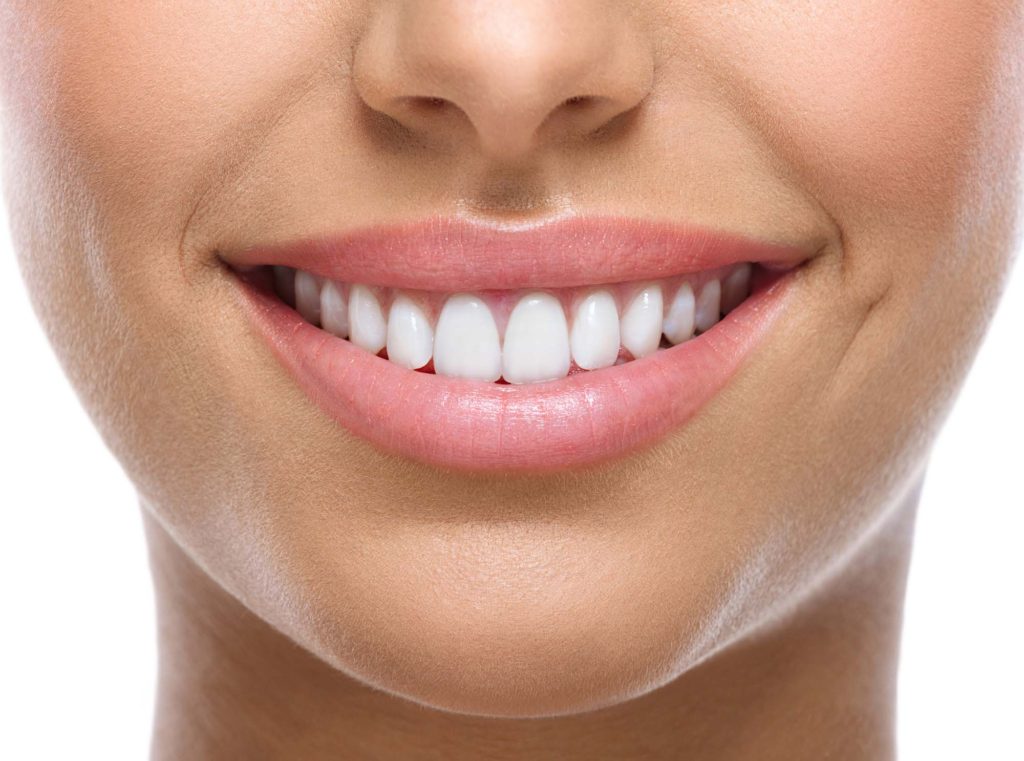
Mountain View Dental Pleasant View UT, retainer after braces

When that glorious day finally comes of getting your braces off, you feel on top of the world with your new smile and you’re ready to go out and conquer the world. However, for almost everyone, there is one more item of business to complete before you can go do that conquering: wear a retainer. Wearing a retainer ensures that all the hard work you did to get a beautiful smile doesn’t go to waste.

A commonly asked question after getting braces off is, “How long do I have to wear my retainer?” 

Well, that depends.

Do You Have to Wear a Retainer Forever?

The amount of time you will have to wear a retainer after braces depends on the plan your orthodontist gave you, the condition and progress of your teeth, and the type of retainer you have.

Some orthodontists choose to give patients a permanent or bonded retainer. This type of retainer is typically glued to the back of your front six teeth with a powerful mixture so most people never have to replace it. A permanent retainer is convenient since you don’t have to take it in and out of your mouth everyday. Although it has its benefits, orthodontists traditionally recommend using a removable retainer instead.

Over 58 percent of orthodontists actually prefer removable retainers over permanent retainers when a braces treatment is complete. For the first 4 to 6 months after braces are removed, retainers should be in constantly, except during meals and cleanings. 

Once the time designated by your orthodontist has come, most recommend transitioning the time of wearing the retainer to at night only. After a certain amount of time, your teeth will not be as likely to move so you can slowly start wearing your retainer less. The best thing you can do to keep your teeth in place for a long time is follow the instructions of your orthodontist. 
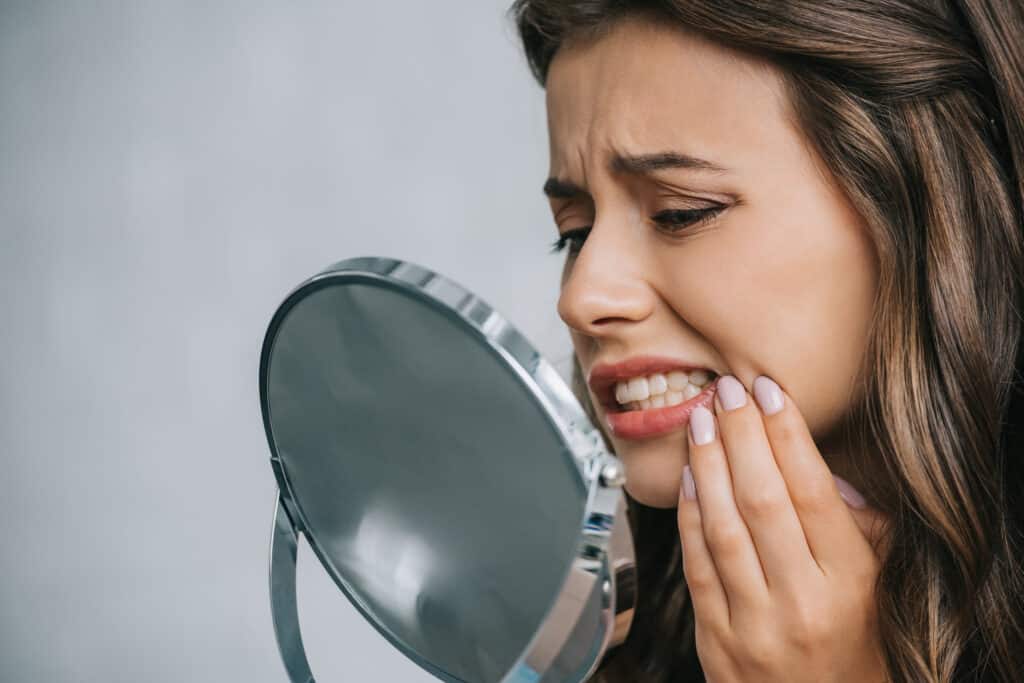
naturally yellow Pleasant View, UT, retainer after braces

The Consequences of Not Wearing Retainer After Braces

While braces are on the teeth, the wires and rubber bands hold the teeth and jaw in place, but once those are removed, the teeth are free to move again. The purpose of a retainer is to prevent your teeth from moving back to their original position after braces are removed. This is why most orthodontists recommend wearing retainers 24/7 when braces are first removed so you can preserve your new smile.

Most of the time, you won’t be able to tell immediately that your teeth are moving if you don’t wear your retainer. Overtime, the results will become obvious and at that point, further orthodontic treatment may be required. Those tiny movements each day can add up to drastically change your smile that you worked so hard to obtain.

Achieving a beautiful smile is not always easy. In fact, it requires dedicated effort and maintenance. Getting your teeth straightened and aligned can take a significant amount of time whether that’s through braces, invisalign, dental implants, or wearing a retainer. Through these resources, dentists and orthodontists are able to help patients achieve the smile of their dreams.

Just like how we should regularly visit the dentist and get our teeth cleaned, we should also wear our retainer after braces as part of our teeth maintenance routine. Dentists are able to repair broken, rotten, and damaged teeth through different resources like crowns, fillings, root canals, and more, but it helps their job be easier when we keep our teeth aligned by correctly wearing retainers.

How to Care for Your Retainer

Permanent Retainers

Caring for a retainer after braces is fairly simple but does take a good effort to adequately keep them clean.

For permanent retainers, the cleaning process is a little more rigorous. First and foremost, brushing your teeth twice a day helps keep your teeth clean from food and germs that have collected in your mouth. Brushing can also be a way to get surface level particles off of the surface of your teeth and retainer.

The next major way to keep your retainer clean is to floss, but not the traditional way. Because a permanent retainer is across multiple teeth, you won’t be able to floss regularly and get above the retainer to your gums. Floss threaders are a helpful and easy way to guide the floss and get it through small crevices up to your gums. Water picks can also be an effective way to get around the retainer.

Scheduling regular visits to the dentist for professional teeth cleanings is the best way to ensure you get thorough cleanings. With the equipment and training in a dentist’s office, professionals can remove plaque and tartar buildup that you just can’t always get on your own. Frequent visits can also help you avoid developing major problems that require intense dental treatments. 
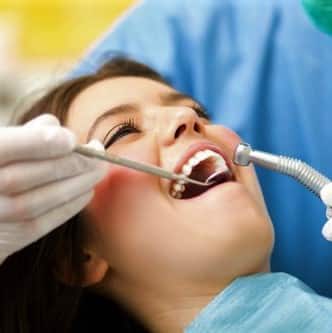
Pleasant View UT Mountain View Dental, retainer after braces

Removal Retainers

Cleaning a removable retainer is a bit different than maintaining a permanent retainer after braces. The first thing you should do is keep your retainer case clean. Your case is what holds your retainer when it’s not in your mouth, so you want to keep it sanitary. Remember to always put your retainer in its case when it’s not in your mouth to prevent losing it.

Cleaning the retainer itself is important, as well. Orthodontists often prescribe cleaning methods that can involve soaking your retainer in denture-cleaning products and brushing it everyday. To avoid getting your retainer dirty, make sure you take it out when you eat and drink beverages other than water. Leaving it in when you eat and drink can cause material to get stuck and build up in between your teeth and the retainer.

Wearing Your Retainer is Worth It

Remember that it is worth it to be diligent about wearing your retainer after braces are off. Keeping that beautiful new smile intact for the rest of your life can come from just a few short months of diligently wearing your retainer.


Filed Under: Teeth Whitening

From singing “Twinkle, Twinkle, Little Star” to receiving prizes at the dentist’s office, dental care for children is often more interesting that it is for adults. It also has a unique set of hurdles and challenges, but these don’t have to take caregivers by surprise. By exploring this list of common questions about dental care for children, we aim to make the process more accessible.  

Cute preschool kids group cleaning teeth
dental care for children

When Does a Baby’s Teeth Come In?

Teething is a painful process for everyone involved. A baby’s first teeth don’t usually come in quietly, but afterwards, children adapt fairly quickly. Parents should start looking for their child’s first teeth around six months. It is common for the central incisors (the two lower front teeth) to come through first, followed by the upper central incisors. The rest of the teeth don’t usually follow a pattern, but it is common for all 20 to have surfaced by the time the child is two or three.

How Do I Care for My Baby’s Teeth?

The best dental care for children younger than three is to use a toothbrush specifically designed for infants. These have small heads and soft bristles, so they are gentle with the baby’s gums and tongue. At least once a day—usually at night—brush the teeth that have emerged gently to remove any plaque-causing bacteria. 

Where Did the Tooth Fairy Come From?

It is common, at least in the United States, for parents to encourage their children to leave their dislodged baby teeth under their pillows for the tooth fairy to buy. While this tradition isn’t particularly relevant for dental care for children, it is good for their emotional health if they have fears about losing their teeth.

The origins of the tooth fairy are pretty obscure, made even more so by the fact that so many cultures have their own variant (in France, for example, Le Petite Souris, a little mouse, apparently comes and collects the teeth). Human fascination with lost teeth spans nearly as long as history itself, so we may never know how our fae friend came to be. 

Dentist teaching girl how to brush teeth
dental care for children

Is Thumbsucking Bad for Children’s Teeth?

Thumbsucking and pacifier use, while beneficial for distraught volume levels, work in opposition to good dental care for children. Thumbsucking has been linked to crooked and crowded teeth and problems with bite. Parents should do what they can to help their children break such a habit before it ruins their teeth. If the proclivity remains after permanent teeth have arrived, an orthodontist or dentist may need to recommend a corrective appliance. 

When Should Parents Introduce Toothpaste?

When a child is still in infancy, brushing with water is sufficient for cleaning new teeth. Parents should start introducing children to the use of toothpaste around the age of three to avoid too much fluoride in the children’s systems. When toothpaste enters the picture, parents should supervise brushing and only use a pea-sized amount.

Is Fluoride Safe for Children?

The effects of fluoride include stronger bones and teeth. However, when too much fluoride is ingested, the reverse is true. The effects of fluoride are compounded in children, so part of dental care for children is maintaining the levels they are exposed to. Waiting to use toothpaste and supervising brushing are good tools in a parent’s arsenal. 

Are X-Rays Safe for Kids?

The amount of radiation received during a dental x-ray exam is extremely small when proper precautions like high-speed film and lead aprons are used. Pediatric dentists are also especially cautious to ensure that dental x-rays present no harm to children. Poor dental hygiene is more likely to be harmful than x-rays.

Pediatric dentist examining a little boys teeth in the dentists chair at the dental clinic
dental care for children

Is Anesthesia Safe for Kids?

Occasionally, dental care for children may require general anesthesia or sedation. The American Academy of Pediatrics (AAP) and the American Academy of Pediatric Dentistry (AAPD) monitor such procedures rigidly. Every time a child is sedated, at least two people must be present who have life support training: a dental anesthesiology professional and an independent observer. 

Is Dental Work for Children Necessary in Baby Teeth?

They’re just going to fall out, right? Why go through the trouble of filling them in the event of cavities? Thorough dental care is necessary even in temporary teeth because no one tooth is a closed system. The health of every aspect of the mouth affects all other aspects. In order to prevent infection, pain, gum disease, rot, further cavities, and premature tooth loss, baby teeth should be treated with the same amount of care as are permanent teeth.

Filed Under: Teeth Whitening

The ability to breathe through both the mouth and nose is a truly remarkable one. However, these two kinds of breathing are not created equal. Despite the fact that one method is more natural for some people and the other more natural for others, the problems of mouth breathing are well documented. If you struggle to breathe effortlessly through your nose, we recommend taking steps now to change that.

A male Chinese man is sleeping while catching cold and breathing through mouth because of the flu. Problems of Mouth Breathing

What Causes Mouth Breathing?

The cause of mouth breathing is specific to the individual. Sometimes, the condition is temporary, the result of nasal congestion that is the symptoms of having a cold, enduring the flu, or suffering from allergies or hay fever. In such cases, the problem can often be reversed by taking nasal decongestants or antihistamines. These and prescription nasal sprays can reduce inflammation and congestion so you can breathe normally through your nose. 

In other cases, breathing through the mouth may be the result of years of habit. When this is true, breaking the habit is obviously easier before the practice becomes entrenched. An Ear Nose Throat (ENT) specialist can be a helpful resource to know if any other issues are contributing to the compulsion to breathe through your mouth. Such professionals often have helpful therapies to recommend. 

Mouth breathing in children is commonly caused by swollen adenoids and tonsillitis. Allergies also play a key role. If your child’s tonsils or adenoids are inhibiting their ability to breathe naturally through their nose, address such issues early on before the habit can become too deeply rooted.

Is Nose Breathing Better for Teeth?

Nasal breathing has been shown to be the healthiest and most effective way to breathe. Breathing through the nose aids in healthy anatomical development, especially in the upper airway and skeletal and dental structures. The nose functions as a filter that removes dust and other particles from the air going into the lungs. This allows cleaner air in healthier volumes to circulate through the respiratory system.

On the other hand, breathing through your mouth reduces the sinuses’ ability to add moisture to the air you breathe in, drying out the mouth. This shifts the pH levels in the mouth, cultivating a more corrosive environment. Reduced saliva production makes it more difficult for the body to flush away bacteria and toxins. 

stressed woman with grinding teeth, bruxism symptoms; portrait of stressful, exhausted, tired sleeping woman grinding her teeth with stress; oral, dental care medical concept; asian adult woman model. Problems of Mouth Breathing

As if those problems of mouth breathing were not enough, the condition can also lead to real structural issues like temporomandibular disorder of the jaw joints, malocclusion, myofascial pain, periodontal disease, impacted teeth, and bruxism-related fractures, and wear on the teeth. Other issues surrounding the upper airway include enlarged adenoids and tonsils, snoring, headaches, difficulty sleeping or disturbed sleep.

The Symptoms—Further Problems of Mouth Breathing

The problems of mouth breathing don’t usually jump immediately to oral structural damage. More mild symptoms can help indicate that there is a problem, even if you are unaware of breathing through your mouth while unconscious. These are some of the other common symptoms of mouth breathing:

  • Snoring
  • Restless sleep
  • Chronic bad breath (halitosis)
  • Dry mouth in the morning
  • Dry or chapped lips
  • Increased incidence of colds
  • Increased incidence of sinus and ear infections
  • Inflamed gums (gingivitis) or gum disease
  • Crowded teeth
  • Tooth staining
  • Tooth decay
  • Cavities 
Asian Woman Sleeping Lying In Bed At Home Hugging Pillow On Weekend Morning. Healthy Sleep Concept. Problems of Mouth Breathing

Are the Problems of Mouth Breathing Reversible?

The unfortunate news is that some of the worst problems of mouth breathing are irreversible or at least take a lot of dental work to correct. This is true of rampant tooth decay and disorders involving the jawbone. Fortunately, other effects of mouth breathing can be turned around if they are caught early enough.

Particularly if the sufferer is a child, detecting mouth breathing early on (before the worst effects have kicked in) goes a long way to correcting it and reversing the effects. Mouth breathing is a habit, which means it can be broken with sufficient practice. Begin during the day when you can consciously choose how you breathe and make sure your nose is clear.

As you shift into making sure you breathe through your nose at night, you might need to make sure you are propped up sufficiently in bed for you to breathe freely. This may mean adding or removing pillows or trying a different kind. As you work to find the right solution for you to avoid the problems of mouth breathing, consult with your doctor and dentist.

Filed Under: Teeth Whitening

  • « Previous Page
  • 1
  • 2
  • 3
  • 4
  • 5
  • …
  • 61
  • Next Page »

Dentist Office

2797 U.S. 89 #201
Pleasant View, UT 84414

(385) 324-3557
[email protected]
Monday 8 AM - 5 PM
Tuesday 8 AM - 7 PM
Wednesday 8 AM - 7 PM
Thursday 8 AM - 7 PM
Friday 8 AM - 3 PM
Saturday 8 AM - 12 PM
Sunday Closed

Quick Links

New Patient
Schedule Appointment
FAQ

Proudly accepting new patients from: Pleasant View, North Ogden, Harrisville, Farr West, Marriott-Slaterville, Ogden, Plain City, South Willard, Willard and Perry!

Contact Us

This field is for validation purposes and should be left unchanged.

Follow Us

Popular Content

  • General Dentistry
  • Family Dentistry
  • Cosmetic Dentistry
  • Dental Crowns
  • Dental Exams
  • Dental Implants

© 2026 | Mountain View Dental | All Rights Reserved | Accessibility | Anti-Discrimination | Healthcare Disclaimer | HIPAA Privacy Policy | Privacy Policy | Terms | XML Sitemap | Sitemap | Site by PDM