Mountain View Dental Logo Pleasant View Utah

Mountain View Dental

Pleasant View Dental Office

(385) 324-3557 Pay Online Book Online
  • General Dentistry
    • Family Dentistry
    • Dental Exams
    • Teeth Cleaning
    • Dental Crowns
    • Dental Fillings
    • Tooth Extractions
    • Digital X-Rays
    • Fluoride Treatment
    • Root Canals
    • Dental Emergencies
    • Sedation Dentistry
  • Cosmetic Dentistry
    • Dental Implants
    • Smile Makeover
    • Teeth Whitening
  • About
    • Our Office
    • Meet The Team
      • Dr. Ryan Bateman
      • Dr. Dirk Lighthall
      • Dr. Stephen Smith
    • Pricing
    • FAQ
    • Blog
    • Testimonials
    • Pay Online
  • New Patients
  • Contact
  • Schedule Appointment

Home | Archives for % | Page 5

Common Causes of Sudden Teeth Sensitivity Pleasant View UT Mountain View Dental

Many patients experience a tooth abscess in their lifetime but may not know what they are or how they are caused. Tooth abscesses can be very painful and cause major tooth decay. An abscess is a pocket of pus that is caused by bacteria on different areas of your teeth. In this blog we will discuss signs to watch for and how to avoid a tooth abscess in the first place. 

Mountain View Dental provides great oral care and dental education to help patients have beautiful teeth. Learning about dental problems can help you avoid them, keep your teeth bright, prevent bad breath, and limit jaw pain. Good oral health is not only healthy but helps you feel better about yourself.

Common Abscess Symptoms 

One thing that all tooth abscess patients will feel is throbbing pain. Tooth abscesses will often start to hurt in just one tooth, but the pain can radiate to the rest of your teeth, your neck, and your head. 

Other symptoms include:

  • Red swollen gums
  • Tooth Sensitivity
  • Bad breath
  • Foul taste in your mouth
  • Loose teeth
  • Pain that gets worse when you lie down
  • Swollen lymph nodes
  • Fever

If you start to experience any of these symptoms contact your dentist and get an appointment as soon as possible. Some of these symptoms are also common in other dental problems like cavities and tooth decay. 

Different Types Of Abscesses

There are three main types of abscess teeth that can help to know how severe your dental problem is. All abscess types are serious and should be treated effectively by a dentist. 
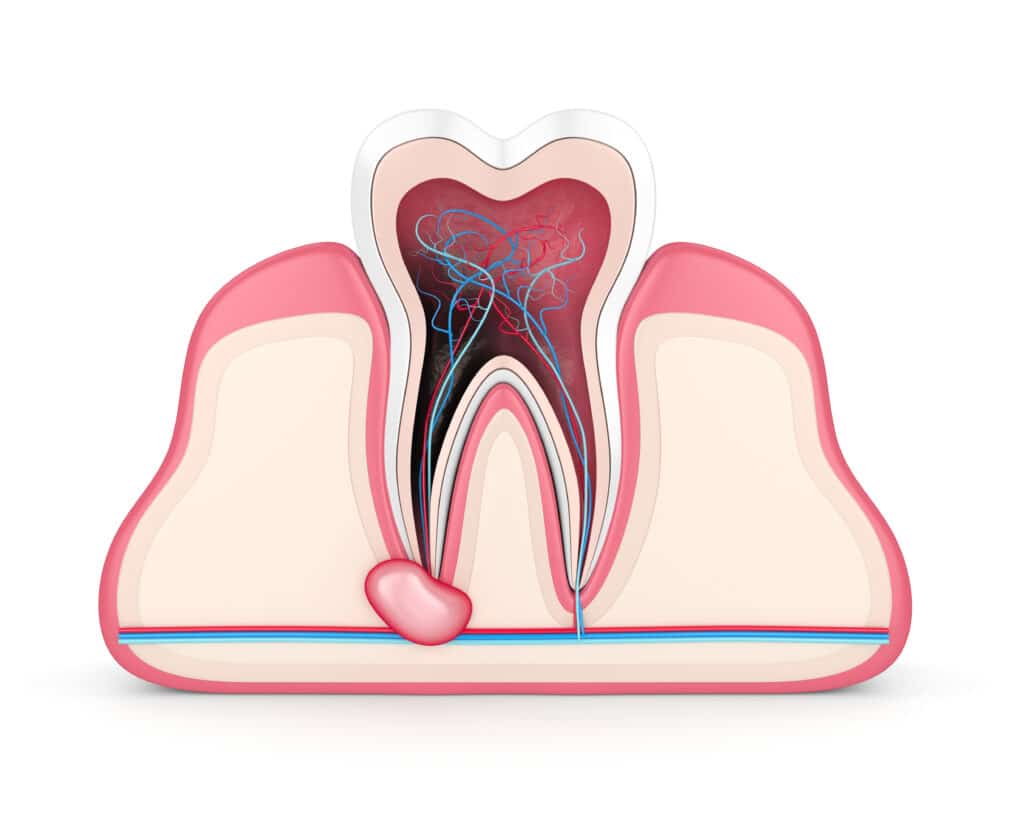
Tooth abscess

Periapical Abscess: This occurs at the tip of the tooth’s root.

Periodontal Abscess: The abscess occurs on the gum next to the root of the tooth and can also spread to the surrounding tissue and bone.

Gingival Abscess: This abscess occurs on the gums.

How Your Dentist Can Help

Your dentist will be able to help improve your abscess and do X-rays to determine how far the abscess has spread. Avoiding an abscess in the first place is fairly easy with common dental cleanings and checkups and proper at-home oral care. Flossing, brushing, and a proper diet will help prevent bacteria buildup. 

Depending on the severity and infection of your abscess, your dentist will perform some of the following:

  • Draining the abscess: By making a small cut into the abscess the dentist will drain the pus that has built up. They will then clean the area with saline solution. 
  • A root canal procedure: Root canals involve drilling into the tooth to drain the abscess and remove the infected pulp. After this is drilled out, the dentist will fill the hole and seal it, possibly with a crown to strengthen the tooth going forward. 
  • Tooth extraction: When a tooth is too damaged to salvage, the dentist will remove it before draining the abscess. The tooth can be pulled to better reach the abscess and prevent further infection. 
  • Antibiotics: If the infection has spread beyond the abscessed tooth or has a weakened immune system, the dentist will prescribe antibiotics to help clear up the infection. 
  • Removal of foreign objects: Some abscesses are caused by foreign objects like food, floss, or other objects. Removing these will stop the abscess from getting worse, limit swelling, and stop potential tooth decay. They will then clean the area with saline solution. 

Oral Health With Mountain View Dental

Our team works to provide residents of Pleasant View with the best oral health. We offer annual cleanings, tooth extractions, root canals, dental implants, teeth whitening, and more! Our dental office can help dental patients of all ages have healthier and better-looking teeth. 

Jaw pain

Our office has been built to help you feel relaxed and comfortable. With 19 exam rooms, personal TV’s for patient distractions, private consultation rooms, and a chest filled with prizes for children, you will feel at ease while you are taking care of your oral health. Visit our office in Pleasant View to see if our team is the best option for you.

Filed Under: Teeth Whitening

Diabetes and oral health

Adults or children with diabetes can experience multiple health risks that affect their daily life. Diabetes affects more than just your insulin levels and can actually impact your oral health. Our bodies are interconnected and need each part to communicate effectively to stay healthy. Mountain View Dental has worked with patients with diabetes and wants to help educate all patients about the risks that come to your oral health because of diabetes. Below are some of the risks, how you can help keep your teeth and gums healthy at home, and what your dentist may recommend if you struggle with diabetes.

Increased Risk Of Cavities

Cavities are fairly easy to avoid with proper brushing, flossing, and regular dental check-ups. However, those with diabetes may need to visit the dentist more regularly. Talking to your dentist about your specific health conditions and factors will give you an accurate look at how often you should see them.

Diabetes patients also experience dry mouth and have less saliva than others. This means that acidic foods and drinks are extra harmful to your teeth. Limiting these substances, brushing with fluoride toothpaste, and visiting the dentist every 6 months can help limit the spread of cavities. 

Decreased Saliva

As mentioned above, less saliva puts you at risk for cavities and plaque build-up. A dry mouth can often lead to sores, ulcers, and tooth decay. 

One way to increase saliva production without harming your teeth is to chew sugarless gum. This helps stimulate saliva without adding harmful sugar to your teeth. Salvia helps clean your enamel and keep you from having irritated gums from leftover food particles. Drinking more water can also help with saliva, but if you are taking medications that cause dry mouth, water may not be enough. 

Brushing your teeth after meals and flossing regularly will help keep your teeth clean and prevent tooth decay. Since your saliva isn’t there to do some of the work for you, you may have to work a little harder to protect your oral health.

Metallic Tongue Or Bad Taste Of Food

Mountain View Dental Pleasant View UT

Patients with diabetes may also experience trouble tasting food properly. Known as diabetic tongue, a metallic taste can form in the mouth and cause eating or drinking to become unpleasant. This is an oral health problem with diabetes because it occurs when there is an excess of sugar in your saliva that is combined with the dry mouth disease known as thrush.

If you start to notice this bad taste, talk to your dentist to see if you have thrush. They can help you kill the bacteria and possibly improve dry mouth symptoms. 

Bleeding Gums

Gum inflammation and infection are common oral health problems for patients with diabetes. Diabetes can limit the amount of blood that flows to the gums. It can also cause blood cells to thicken and make it difficult for waste or bacteria to exit the gums 

Inflamed gums are painful and can often bleed or become sores. Taking care of infected gums as quickly as possible will help limit pain and prevent gum disease or other oral cancers. Diabetes patients have to be extra cautious about their oral health because even if a disease is caught and treated early, it takes longer to heal. The lack of blood flow to parts of your body plays a large role in why it takes significantly longer to heal. 

Longer Healing Time

After you receive treatment for cavities, surgery for wisdom teeth or tooth decay, root canals, implants, or other dental procedures, you will take longer to heal. Those with diabetes will see a longer healing period than other dental patients. Because open wounds or sores will take longer to heal, be sure to keep them clean and avoid smoking to avoid furthering the severity of the wound. 

Better Oral Health With Mountain View Dental

Our Pleasant View dental office is proud to serve a variety of patients. Our team of dentists loves their job and loves working with patients. Our goal is to help you stay healthy and be confident in your smile. Oral health is important as you age, but good habits formed early on will set you up for success.

Whether you just need a simple dental check-up or are looking for cosmetic dentistry services Mountain View Dental has it all. Contact our office or fill out a contact form on our website to get started!

Filed Under: Teeth Whitening

Having your wisdom teeth removed is a common procedure in the dental world. Each patient reacts differently to wisdom teeth extractions and anesthesia which may cause some anxiety. Mountain View Dental wants to help patients know what each dental procedure will entail and provide peace of mind. When you need a wisdom tooth extraction here are all the things you need to know before going in. 

Wisdom Teeth Extraction Pleasant View, UT

1- Why Have Wisdom Teeth Removed?

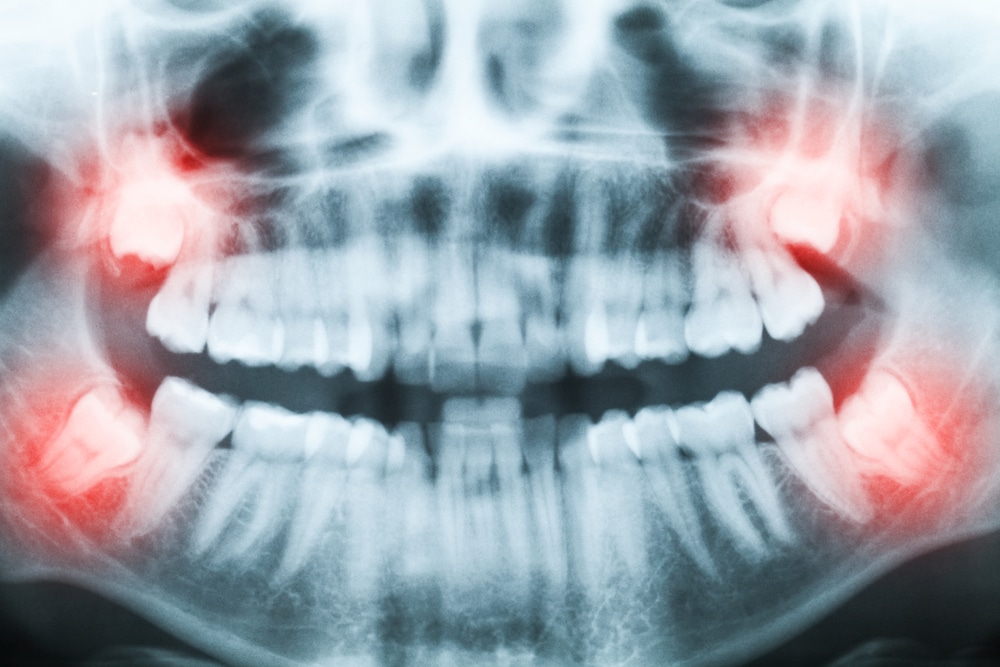
If you are thinking about getting your wisdom teeth removed you have often heard about terrible experiences people have had. Reasons for having wisdom teeth removed often proceed these stories with other pain or uncomfortable aches or sensitivity. Most people don’t have room in their mouth to fit 4 wisdom teeth so when these teeth start to break through your gums, they put pressure on your other teeth. As time goes on, this pressure on your teeth can cause your jaw to shift and cause pain while chewing or talking. 

Wisdom teeth also don’t grow straight like the rest of your teeth. Since your wisdom teeth come in after your other teeth, they can rotate and shift to an unnatural position and cause problems to the nerves and bones of your other teeth. When your wisdom teeth grow in at an angle or become trapped in your gums or jaw, they are called impacted. This makes the wisdom teeth procedure more intense and can cause major issues in your mouth when not removed. 

Because your wisdom teeth are the farthest teeth in the back of your mouth, reaching them without a toothbrush or dental floss can be difficult. This may lead to cavities, gum disease, or other infections that will lead to wisdom teeth extractions, even if your wisdom teeth fit comfortably in your mouth. 

2- Impacted Teeth

When your wisdom teeth become impacted, the process of removing your wisdom teeth becomes a little bit more complicated. Impacted teeth often require an oral surgeon and anesthesia. 

Impacted teeth usually require a dentist or oral surgeon to cut your gums in order to remove the tooth. This will also cause you to have stitches and a longer healing process. Even if your wisdom teeth are not impacted, you will need time to recover and rest after the tooth extraction. 

3- Different Types Of Anesthesia 

Local: The use of local anesthetics usually starts with the dentist numbing your mouth with a shot or novocaine, lidocaine, or mepivacaine. They may also give you nitrous oxide or laughing gas to help reduce the anxiety you may experience during the procedure. This means you are awake during wisdom teeth extraction but may feel hazy. You will feel alert soon after the extraction is complete. 

Facts on Tooth Abscess Treatment Mountain View Dental Pleasant View UT

IV Sedation: Using sedation will require you to go to a surgeon over your regular dentist for wisdom teeth extractions. The IV will be given through a vein (most likely in your arm) and will lead to you being asleep or extremely drowsy during the surgery. 

General: General anesthesia is given either through an IV or by breathing in a gas. You will be asleep the whole time during your extraction and may even take over an hour to wake up after the procedure is over and anesthesia is no longer given to you.

4- Healing After Surgery

Dealing with pain and concerns after wisdom teeth extractions is common. Because you have empty holes in your mouth, eating and drinking can be difficult. It is best for patients to take time off school, work, exercise routines, and strenuous hobbies for a while. If you are having the extraction done under anesthesia, you will need a loved one or friend to provide transportation home. 

It is also important to protect your mouth from getting infected after the surgery. A dry socket is extremely common for wisdom teeth patients and can be painful. Limiting drinking through a straw or breathing with your mouth open will help prevent dry sockets. 

5- Infections To Watch For

Along with dry sockets, some patients can also experience other infections or side effects after wisdom teeth extraction. Drinking through a straw could loosen blood clots that help your mouth to heal from wisdom teeth extraction.

Pleasant View UT Mountain View Dental

Smoking after a wisdom teeth extraction will slow the healing process and can cause other infections and cancers in your mouth. Avoid smoking or chewing tobacco until after your surgery sites have healed. 

Your dentist will also recommend looking out for infections from food bacteria, or nerve damage. Common signs of infections or nerve damage are fever, numbness, trouble swallowing or breathing, blood or pus coming out of your nose, or bleeding in your mouth that will not stop with applying pressure. If you experience any of these symptoms call your dentist or doctor immediately. 

Wisdom Teeth Extractions With Mountain View Dental

Mountain View Dental offers general dentistry, cosmetic dentistry, and orthodontics. Our dentists can help improve your smile in just a few sessions. Let us help you make a great first impression with a healthy smile.

Filed Under: Teeth Whitening

  • « Previous Page
  • 1
  • …
  • 3
  • 4
  • 5
  • 6
  • 7
  • …
  • 61
  • Next Page »

Dentist Office

2797 U.S. 89 #201
Pleasant View, UT 84414

(385) 324-3557
[email protected]
Monday 8 AM - 5 PM
Tuesday 8 AM - 7 PM
Wednesday 8 AM - 7 PM
Thursday 8 AM - 7 PM
Friday 8 AM - 3 PM
Saturday 8 AM - 12 PM
Sunday Closed

Quick Links

New Patient
Schedule Appointment
FAQ

Proudly accepting new patients from: Pleasant View, North Ogden, Harrisville, Farr West, Marriott-Slaterville, Ogden, Plain City, South Willard, Willard and Perry!

Contact Us

This field is for validation purposes and should be left unchanged.

Follow Us

Popular Content

  • General Dentistry
  • Family Dentistry
  • Cosmetic Dentistry
  • Dental Crowns
  • Dental Exams
  • Dental Implants

© 2026 | Mountain View Dental | All Rights Reserved | Accessibility | Anti-Discrimination | Healthcare Disclaimer | HIPAA Privacy Policy | Privacy Policy | Terms | XML Sitemap | Sitemap | Site by PDM