
Mountain View Dental Logo Pleasant View Utah

Mountain View Dental

Pleasant View Dental Office

(385) 324-3557 Pay Online Book Online
  • General Dentistry
    • Family Dentistry
    • Dental Exams
    • Teeth Cleaning
    • Dental Crowns
    • Dental Fillings
    • Tooth Extractions
    • Digital X-Rays
    • Fluoride Treatment
    • Root Canals
    • Dental Emergencies
    • Sedation Dentistry
  • Cosmetic Dentistry
    • Dental Implants
    • Smile Makeover
    • Teeth Whitening
  • About
    • Our Office
    • Meet The Team
      • Dr. Ryan Bateman
      • Dr. Dirk Lighthall
      • Dr. Stephen Smith
    • Pricing
    • FAQ
    • Blog
    • Testimonials
    • Pay Online
  • New Patients
  • Contact
  • Schedule Appointment

Home | Archives for % | Page 6

Making a great first impression can be hard when you are suffering from bad breath. Keeping up with your oral health will prevent bad breath symptoms and will keep oral diseases at bay. Having good breath and clean teeth will help boost your confidence and give you a better appearance. Mountain View Dental can help prevent bad breath with toothpaste suggestions, regular cleanings, and diet suggestions. Read below for more tips on preventing stinky breath. 
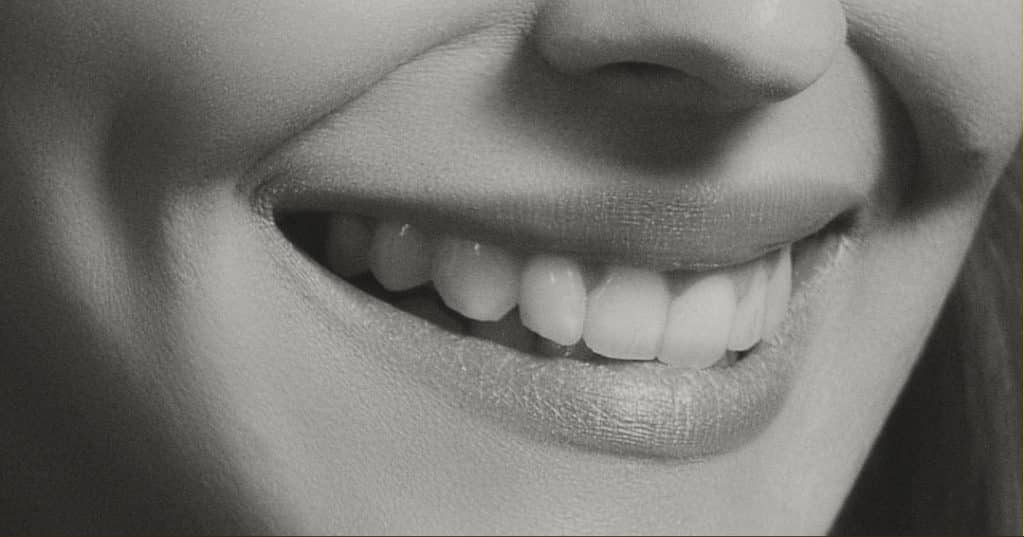
Pleasant View UT Mountain View Dental importance of dental health Prevent Bad Breath

1- Drink More Water

Your mouth produces bacteria to protect your teeth from erosion, but there are other bacteria that can be harmful to your teeth, tongue, and gums. Drinking water can help flush bacteria out of your mouth and keep your teeth clean. Drinking around 8 glasses of water a day is a healthy amount for your physical health and oral health. Not only does drinking water help with bad breath, but it helps your teeth look whiter and can help rinse out food particles that can irritate your gums. 

2- Scrap Your Tounge

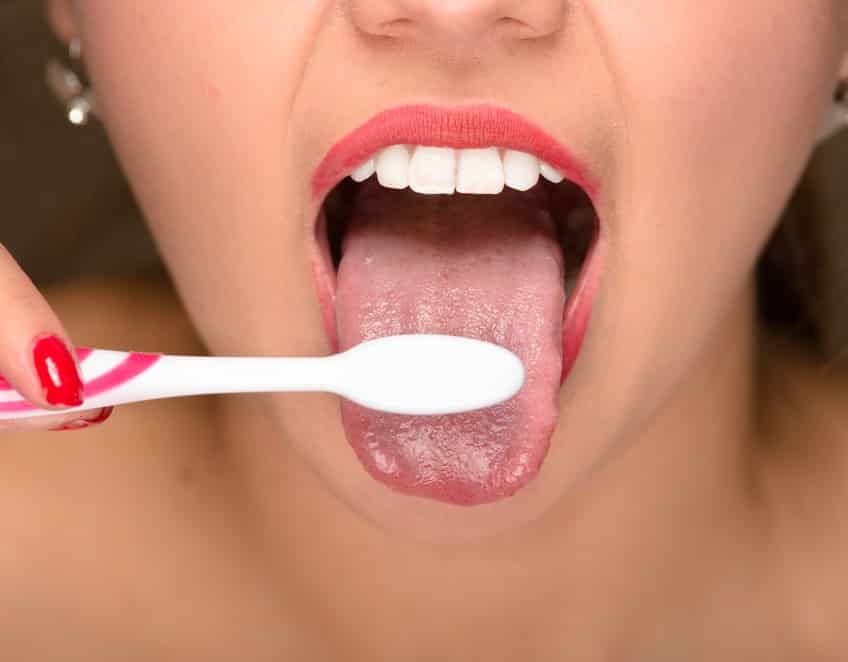
Adding an extra step to your brushing routine can help you prevent bad breath. Scraping your tongue helps to remove bacteria and buildup that leads to bad breath. Using a tongue scraper or even just brushing your tongue will bring long-term results. 

If your tongue looks white or grey, it could do you some good to scrape buildup from food or dead cells that have landed on the surface of your tongue. 

3- Don’t Neglect Your Gums

Patients may think that gums don’t contribute to bad breath, but gums that are infected can contribute to smells in your mouth. Gum disease comes from excess bacteria, which is the main cause of bad breath, so preventing decay in your gums will help you in more ways than one. 

You can take care of your gums by going to regular dental checkups, flossing twice a day, and brushing in gentle circles along your gum line. This will help remove plaque and bacteria and keep your gums from becoming inflamed. 

4- Limit Or Stop Smoking

Smoking has been shown to have many negative effects on your health, the worst being mouth and lung cancer. Smoking can lead to more plaque buildup and will also add to bad breath just from the cigarette chemicals themselves. Chewing tobacco and smoking tobacco affects every aspect of your mouth and are not recommended by dentists. If you want to prevent bad breath, checking your smoking habit might be the best place to start. Visit your dentist to learn about how to break these habits and improve your smile.

5- Eat The Right Foods

your teeth and vitamins and minerals Mountain View Dental Pleasant View UT

An apple a day keeps the doctor away, and the dentist? Apples and other foods will help promote good oral health and keep teeth white. If you want to prevent bad breath, limiting strong foods like garlic will help, but eating foods like apples will stimulate saliva that helps to wash away food. 

6- Clean Dentures And Retainers Well

If you are wearing any kind of insert in your mouth like flippers, dentures, or a retainer, make sure that you clean it daily to prevent bad breath. Saliva, bacteria, and food particles can cause your insert to smell, which can cause your breath to smell. The buildup of fungi and food particles will leave your dentures or retainer looking and smelling foul. Cleaning them will improve your breath and your overall oral health. 

7- See Your Dentist Regularly

Proper cleaning of your teeth and gums will help you prevent disease. Checkups will also help you stay on top of problems and limit the amount of tooth loss and gum decay you may experience. Your dentist will know what products are bests for your teeth and what habits need to be remedied in order to prevent bad breath and disease. 

Dental Checkups With Mountain View Dental 
Pleasant View UT Mountain View Dental
Prevent Bad Breath

Regular dental checkups can help you avoid serious dental issues and prevent bad breath. Our dentists at Mountain View Dental serve all patients and help you to learn about the best practices for your oral health. Visiting the dentist helps watch for oral cancers, remove plaque from the surface of your teeth, fill cavities, and clean your teeth so they sparkle.

Having a cleaning and fluoride treatment every 6 months will help you prevent bad breath and make sure your smile stays perfect. Mountain View Dental has three in-house dentists, a whole team of hygienists, and friendly office staff! Come meet the team at our office in Pleasant View, UT today to get your health back on track. 

Filed Under: Teeth Whitening

Common Causes of Sudden Teeth Sensitivity Pleasant View UT Mountain View Dental

If you find yourself noticing sensitive teeth, avoiding certain foods, or experiencing pain while brushing your teeth, you may be experiencing teeth sensitivity. There are multiple causes of sudden sensitivity, which can even last for weeks and months when not treated accordingly. Taking care of your teeth requires protecting the enamel and working to improve pain and sensitivity. Here are some common causes of teeth sensitivity and how to remedy them. 

What Causes Sensitive Teeth

There are many causes for sensitive teeth or sudden sensitivity and not all of them are serious oral issues. Some common causes of teeth sensitivity include:

  • Gum recession
  • Tooth decay
  • Gum disease
  • Extreme hot or cold foods/drinks
  • Sinus infection 
  • Recent dental procedures
  • Tooth grinding
  • Fractured teeth
  • Worn fillings

While this list is not comprehensive, you can start by looking at these potential causes to see if your tooth sensitivity is related. Your dentist can also help you remedy your sensitivity and give suggestions on how to improve. 

Sensitive Toothpaste

For those who have worn down enamel, decaying teeth, or undetermined sensitivity, an ADA-approved sensitive toothpaste can help. Toothpaste helps to strengthen the enamel and works to treat symptoms of sensitive teeth. Building up the enamel on your teeth covers the roots and nerves that cause teeth sensitivity. 

Pleasant View UT Mountain View Dental

Sensitive toothpaste contains a compound that helps block pain transmission and can help the surface of the tooth. It will often require that you use it for more than one application before your sensitivity subsides. 

Soft Bristles

Some patients believe that hard bristles on their toothbrushes will give them a better clean. This is not true, and can actually be the cause of teeth sensitivity. Using a soft-bristled brush and not brushing too hard can help prevent your gums from receding or excessive wear on your teeth. 

Brushing side to side on your gum line can make them wear down much quicker, so it is best to use a 45-degree angle while brushing around your gums. 

Use A Mouthguard

You may not realize that you grind your teeth in your sleep until you wake up with a sensitive tooth. Addressing stress in your life can help you unclench your teeth and prevent grinding down the enamel. Wearing a mouthguard while you sleep can help stop the overwearing of enamel and protect you from sensitivity. 

Use Clove

Using a holistic approach to teeth sensitivity may not work for everyone, but using the oil in clove can help with inflammation problems. The oils are anti-inflammatory, germicidal, and analgesic. They kill the bacteria in your mouth, while also helping to stop the pain you may be experiencing. You can use it as an extract to swish in your mouth and numb the areas with sensitivity. Use it in small amounts or mixed with coconut oil or avocado oil to dilute. 

Avoid Problematic Foods 

Acidic foods and beverages can cause teeth sensitivity and should be avoided if you feel extra irritation when consuming them. Coffee, soda, citrus fruits, or excessively spicy foods can all cause sensitivity. Try limiting or eliminating these foods from your diet and avoid foods that are overly hot or frozen if you experience teeth sensitivity. 

Take A Break From Whitening

Bleaching or whitening your teeth can be another cause of sensitivity. When you are constantly bleaching your teeth, they can break down and become sensitive because of exposed nerves. If you are a consistent teeth whitener, taking a break from the at-home procedure or even one at your dentist for a time may help curb the pain. 

Pleasant View UT Mountain View Dental

When To Call Your Dentist

If you are experiencing bleeding gums or extremely sensitive teeth, it may be time to visit your dentist. If you have tried some home remedies and nothing seems to work, visiting a dentist can help you narrow down the problem and find a permanent solution. 

Your dentist will be able to help you learn about softer brushing, recommend a specialist for grinding teeth or other enamel issues, and can help fill cavities or fix fillings that could be leading to teeth sensitivity. 

Mountain View Dental

Our team at Smile Mountain View Dental can help improve your oral health with many services. With general dentistry, dental cleaning, teeth whitening, extractions, implants, and more, we have a service for each patient’s needs. 

Regular dental appointments and cleanings can help stop sensitivity before it gets out of hand. Our dentists can help keep your gums and teeth free of bacteria and limit the amount of decay that occurs in your mouth. Cleanings and checkups around every 6 months are the recommended time to ensure that cavities and gum disease are avoided. 

Filed Under: Teeth Whitening

When you visit the dentist, you may have heard those in the office use words like enamel, maxillary, or other dental vocabulary. Knowing more about your teeth and dental definitions can help us overcome some fear of going to the dentist. Here are some common dental terms and vocabulary that explain the anatomy of your teeth. Mountain View Dental thinks it is important for our patients to learn more about our oral anatomy.

1- Cusp

The cusp is the tip or the point of the tooth. Depending on the type of teeth, depends on the kind of tooth. Canine teeth have one cusp, premolars have two, and molars have four or five. 

This part of the tooth is used for the tearing and grinding of foods during chewing. 

2- Dentition

Your whole set of teeth is called your dentition. Scientists and forensics use dentition to tell what species a skull came from. They do this by looking at where the teeth are set, how many teeth are in each section, the total number of teeth in the skull, and their age. 

3- Dentin

Between the enamel and cementum is tissue called dentin. This makes up the majority of the tooth and contains tubules (small hollow sections) that allow us to feel hot, cold, acidic, and sticky on the nerves. Dentin causes sensitivity and helps to signal to our bodies what may be too hard on our teeth. 

4- Enamel

When talking about dental terms and vocabulary, this is a term you have probably heard before. Enamel is what covers the whole tooth. It is the hardest tissue in the human body and is durable. While our enamel goes through a lot, eating, drinking, and talking can cause it to wear down. The loss of enamel is irreversible, so regular dental checkups are needed to protect it and keep your teeth from decay. Enamel is also translucent or see-through. 

5- Gingiva

The pink fleshy part around our teeth may be commonly known as the gums, but the technical term is gingiva. This helps hold a tissue against the tooth itself. 

6- Mandibular

The largest bone in the human skull is mandibular. It helps assist in chewing food and forms the look of our lower jawline. Not only does it help by holding our face shape and chewing food, but it is also the strongest bone in the facial skeleton. 

7- Maxillary

Like the mandibular, the maxillary is part of the jaw. The maxillary bones form the upper jaw with an irregular shape that is connected in the middle. You can look for the maxillary in the lower part of your eye sockets and the sides of the nasal cavities. The maxillary holds upper teeth in the correct place, helps to hold the weight of the skull, and controls the depth of our voice. These two dental terms and vocabulary are ones that patients often are surprised to learn.

8- Occlusal

This term is used to describe the area of a tooth where we chew our food. Mostly referred to on the larger molars. In the posterior of the mouth, these teeth play the important role of grinding down food so that our tongues can maneuver the food back into our throats for digestion. Occlusal is just the beginning.

Chewing food is something that humans do multiple times a day, which means that the occlusal sees a lot of wear and is the prime spot for cavities. 

9- Pulp

Inside the tooth, there are blood vessels and nerves. The pulp is a mass of connective tissue that lies underneath the dentin. Dentin and pulp work together to develop and survive inside the tooth. 

10- Quadrant

Each section of your mouth is split up and makes 4 quadrants. The first quadrant starts in the upper right side of the mouth and moves around in a clockwise direction. Each quadrant has 8 teeth that make up that section. Quadrants are used for cleaning and helping the dentist determine what quadrant they are cleaning or drilling or what teeth have cavities. Teeth also have specific numbers for this reason too.

Dental Vocabulary With Mountain View Dental

We hope that this blog was helpful and that you learned more about dental terms and vocabulary. At Mountain View Dental, we offer many dental services for our patients. Proper dental care is essential for the life of teeth, while also helping boost our confidence. We are committed to bringing a greater quality of care to our patients. Mountain View has a team of dentists and hygienists that love their job, and want to help those of all ages feel comfortable at the dentist. 


Dental cleanings help to prevent cavities and learn more about caring for all the parts of your teeth. The more you know, the better you can care for your health. Our whole staff wants to improve your dental health. Come visit our office and meet our friendly staff today.

Filed Under: Dental Info

  • « Previous Page
  • 1
  • …
  • 4
  • 5
  • 6
  • 7
  • 8
  • …
  • 61
  • Next Page »

Dentist Office

2797 U.S. 89 #201
Pleasant View, UT 84414

(385) 324-3557
[email protected]
Monday 8 AM - 5 PM
Tuesday 8 AM - 7 PM
Wednesday 8 AM - 7 PM
Thursday 8 AM - 7 PM
Friday 8 AM - 3 PM
Saturday 8 AM - 12 PM
Sunday Closed

Quick Links

New Patient
Schedule Appointment
FAQ

Proudly accepting new patients from: Pleasant View, North Ogden, Harrisville, Farr West, Marriott-Slaterville, Ogden, Plain City, South Willard, Willard and Perry!

Contact Us

This field is for validation purposes and should be left unchanged.

Follow Us

Popular Content

  • General Dentistry
  • Family Dentistry
  • Cosmetic Dentistry
  • Dental Crowns
  • Dental Exams
  • Dental Implants

© 2026 | Mountain View Dental | All Rights Reserved | Accessibility | Anti-Discrimination | Healthcare Disclaimer | HIPAA Privacy Policy | Privacy Policy | Terms | XML Sitemap | Sitemap | Site by PDM