
Mountain View Dental Logo Pleasant View Utah

Mountain View Dental

Pleasant View Dental Office

(385) 324-3557 Pay Online Book Online
  • General Dentistry
    • Family Dentistry
    • Dental Exams
    • Teeth Cleaning
    • Dental Crowns
    • Dental Fillings
    • Tooth Extractions
    • Digital X-Rays
    • Fluoride Treatment
    • Root Canals
    • Dental Emergencies
    • Sedation Dentistry
  • Cosmetic Dentistry
    • Dental Implants
    • Smile Makeover
    • Teeth Whitening
  • About
    • Our Office
    • Meet The Team
      • Dr. Ryan Bateman
      • Dr. Dirk Lighthall
      • Dr. Stephen Smith
    • Pricing
    • FAQ
    • Blog
    • Testimonials
    • Pay Online
  • New Patients
  • Contact
  • Schedule Appointment

Home | Archives for % | Page 45

For over a decade now, the popularity in teeth whitening rose astronomically. Many of us know that our teeth are one of the first things people see when looking at us. So, it is very embarrassing if our teeth are not white. Even if we try to hide our teeth when we laugh or smile, we still may occasionally slip up and show our teeth. 

Because of these issues, we go that extra mile to maintain white teeth. We go to the dentists, drink plenty of water, and use over-the-counter whitening toothpaste and other such products. However, even then some drinks and food can make it hard for us to maintain the whiteness of our teeth. And as a result, many of us may be tempted to over-white the teeth thinking that we are combating the food and drinks’ stains, but in actuality, we are making things worse with over-whitening. 

Dangers of Over-bleaching Your Teeth

Over-whitening or over-bleaching of the teeth is a terrible thing. The following dangers will result from over-bleaching: 

–Stripping of the enamel– the enamel protects teeth, and once it’s stripped away, you can’t get it back. Without the enamel, you won’t be able to have white teeth also. The teeth will have a yellow appearance. The only way to have attractive-looking teeth when enamel is worn is by getting crowns or wearing veneers. 
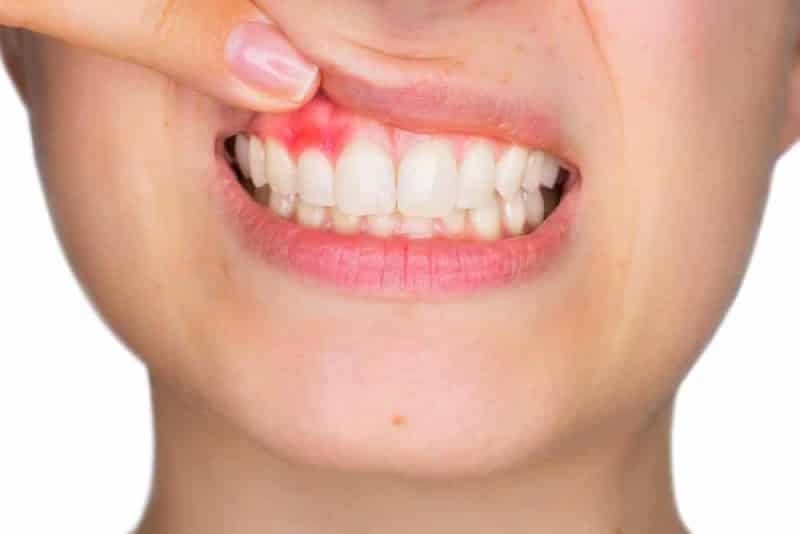
gums and teeth whitening

–Gum irritation and thin, chalky teeth– in these cases, people will experience never before tooth sensitivity. 

–Permanent pulp damage– this is the nerve chamber. The overexposing of bleaching gels can deeply permeate the tooth’s dentine which will cause permanent pulp damage and cause tooth pain. 

Some Tips for Safe Teach Bleaching

To avoid these potential issues resulting from overbleaching of your teeth, you must use the following tips: 

–Go back to the basics– including brushing twice daily, using fluoride toothpaste, avoiding sugary snacks between meals, and flossing once daily. 

–Consult your dentist– visit your dentist twice a year to get a mouth exam and professional cleaning. Then, get advice from the dentist on further care of your teeth, gums, and teeth whitening products. Additionally, always contact the dentist to make sure a questionable whitening product is safe to use. 

–Shop wisely– make sure to obtain gels with peroxide or sodium bicarbonate with a concentration between 10 to 25 percent. Over-the-counter whiteners that are safe normally have peroxide that range from 10 to 20 percent. 

–Adequately follow the instructions– don’t ignore instructions that you may think are not important, such as keeping the gels or strips on longer than is instructed. 

–Don’t whiten your teeth during certain times– you shouldn’t use these products while nursing or pregnant. 

–Using protection for sensitive teeth– mild sensitivity may occur for a few hours after whitening your teeth. Your gums may also be sensitive after using gel-filled trays. So, it will behoove you to avoid sports drinks, soda, and other acidic drinks for a couple of hours. 

Conclusion

Using these tips will go along way in protecting your teeth. You will maintain an amazing smile and maintain great dental health.


Filed Under: Teeth Whitening

How often should you change your toothbrush? The vast majority of Americans own and use toothbrushes on a daily basis, but most are unaware of how regularly they should replace them. An old toothbrush can harbor millions of germs, food particles, and other substances that can not only adversely impact your oral hygiene, but the health of your entire body. This article will explain how often you should replace your toothbrush. 

About Every Three to Four Months 

The American Dental Association recommends that we change our toothbrushes once every three to four months. After this period of time, moisture tends to soak into the bristles of the toothbrush, which can allow fungal and bacterial colonies to propagate more readily. Also, as a result of extensive usage, the bristles will become ragged and less functional. However, It should be noted that there are instances when it would be better to replace toothbrushes more frequently. 

When The Bristles Are Worn 

When you notice that the bristles of your toothbrush have grown damaged and frayed, it is time to replace your toothbrush. Depending on the quality of the toothbrush, as well as how frequently and aggressively it is used, it may not take months for this to happen. If it is in such a condition, the toothbrush will no longer be as effective of a cleaning tool. The flattened bristles will be unable to reach and properly scrub certain areas of the mouth, which can allow plaque to build up, leave food and sugar, and enable bacteria to rapidly reproduce. If this persists, it can result in dental caries, gingivitis, and other oral health issues. 

When It Has Been Used By Another Person 

Most people are rightfully disgusted by the very idea of others using their toothbrush. Sharing toothbrushes can lead to the spread of bacteria, fungi, and viruses, potentially endangering your overall health. These can include hepatitis, herpes, MRSA, thrush, periodontitis, and a number of other illnesses. Some believe that sharing intimate items like toothbrushes is not a problem so long as it is with those close to them, but this is a mistake. Being close to someone does not protect you from contracting any of the aforementioned maladies. If your toothbrush has been used by anyone else, it should be thrown away immediately and replaced. 

changing toothbrush

After You Have Been Ill

If you have had a cold, flu, or any other transmissible illness, you should also change your toothbrush. While it is possible to clean the bristles by rinsing it with an antiseptic solution or hot water, it may ultimately be more prudent to replace it. Reusing the toothbrush may cause you to become infected all over again, and if it is stored near other people’s toothbrushes, it is possible the illness will be spread.

Conclusion

So, how often should you change your toothbrush? Well, if it has been used for three to four months, has damaged bristles, was used by someone else, or you used it while you were sick, it should be thrown out and replaced. Choosing to do otherwise can put your health and oral hygiene at risk.

If you have any questions, feel free to contact us at Mountain View Dental.
Call us today at 385-324-3557 to schedule an appointment at our comfortable dental office.

Filed Under: Dental Info, Teeth Cleaning

Regular dental exams can do more than guard against cavities and gum disease; they can also protect the body. To help better put this into context, bacteria in the mouth can lead to inflammation that not only destroys teeth but also the bone and gum that supports them. Gum disease, also known as periodontal disease, is linked to many diseases that can affect the body. For example, studies have shown that there is a strong correlation between diabetes and poor oral health. As inflammation in the mouth worsens, the body’s natural ability to regulate blood glucose levels decreases, which can lead to insulin resistance. In this article, we will take a closer look at the effects of tooth infection on the body and the importance of staying on top of your oral health.

ORAL HEALTH AND BODILY HEALTH

Along with diabetes, poor oral health can lead to several other serious health problems including:

HEART DISEASE

heart disease and teeth

There are a number of things that can contribute to heart disease, including poor oral health. In fact, more than 90 percent of those diagnosed with gum disease also have heart disease. Of course, this is not surprising as both conditions have similar risk factors like smoking and being overweight, for example. Generally speaking, the same inflammation associated with gum disease also affects the blood vessels in the body. Inflammation can restrict blood flow from the heart to the rest of the body and could lead to a heart attack or stroke.

DIABETES

Although diabetes was mentioned in the preface of this article, let’s take a moment to better understand the relationship between the disease and poor oral health. Diabetes is one of the most serious effects of tooth infection on the body in that it raises blood sugar and increases the chances of developing many of the complications commonly associated with diabetes including

  • Nephropathy


  • Retinopathy


  • Foot complications


  • Bacterial and fungal infection of the skin


  • Hearing impairment

OSTEOPOROSIS

Periodontal disease not only weakens the bones that support teeth but also leads to osteoporosis, a disease that affects bones in the body. Generally speaking, women are more likely to be diagnosed with osteoporosis than men. However, periodontal disease increases the likelihood for both genders.

If you think you might have a tooth infection, don’t hesitate to call to schedule an appointment. Call us today at 385-324-3557 to schedule an appointment at our comfortable dental office.

Filed Under: Dental Info, Dental Hygiene

  • « Previous Page
  • 1
  • …
  • 43
  • 44
  • 45
  • 46
  • 47
  • …
  • 61
  • Next Page »

Dentist Office

2797 U.S. 89 #201
Pleasant View, UT 84414

(385) 324-3557
[email protected]
Monday 8 AM - 5 PM
Tuesday 8 AM - 7 PM
Wednesday 8 AM - 7 PM
Thursday 8 AM - 7 PM
Friday 8 AM - 3 PM
Saturday 8 AM - 12 PM
Sunday Closed

Quick Links

New Patient
Schedule Appointment
FAQ

Proudly accepting new patients from: Pleasant View, North Ogden, Harrisville, Farr West, Marriott-Slaterville, Ogden, Plain City, South Willard, Willard and Perry!

Contact Us

This field is for validation purposes and should be left unchanged.

Follow Us

Popular Content

  • General Dentistry
  • Family Dentistry
  • Cosmetic Dentistry
  • Dental Crowns
  • Dental Exams
  • Dental Implants

© 2026 | Mountain View Dental | All Rights Reserved | Accessibility | Anti-Discrimination | Healthcare Disclaimer | HIPAA Privacy Policy | Privacy Policy | Terms | XML Sitemap | Sitemap | Site by PDM