
Mountain View Dental Logo Pleasant View Utah

Mountain View Dental

Pleasant View Dental Office

(385) 324-3557 Pay Online Book Online
  • General Dentistry
    • Family Dentistry
    • Dental Exams
    • Teeth Cleaning
    • Dental Crowns
    • Dental Fillings
    • Tooth Extractions
    • Digital X-Rays
    • Fluoride Treatment
    • Root Canals
    • Dental Emergencies
    • Sedation Dentistry
  • Cosmetic Dentistry
    • Dental Implants
    • Smile Makeover
    • Teeth Whitening
  • About
    • Our Office
    • Meet The Team
      • Dr. Ryan Bateman
      • Dr. Dirk Lighthall
      • Dr. Stephen Smith
    • Pricing
    • FAQ
    • Blog
    • Testimonials
    • Pay Online
  • New Patients
  • Contact
  • Schedule Appointment

Home | Archives for % | Page 35

Pregnancy is an exciting time for any woman that brings about a number of changes. However, there is one unfortunate change that is included: dental concerns. In addition to the changes in your body as your baby grows, your oral health also experiences a shift as a result of all those hormonal changes. It’s important to understand what happens with oral care and pregnancy.

Morning Sickness

One of the most common symptoms pregnant women experience is morning sickness. Due to all the hormonal changes, you may feel nauseous and vomit during your first trimester. As a result of all the stomach acid coming back up, your teeth can suffer erosion. While not all pregnant women get morning sickness, many do, so if you fall under the latter category, it’s important to immediately brush your teeth and rinse out your mouth with baking soda and water after getting sick. This can help to neutralize the acids and save your precious tooth enamel.

Pregnancy-Related Gingivitis

Oral Care and Pregnancy

Your hormones during pregnancy can lead to your gums swelling, which is known as pregnancy gingivitis. With this condition, your gums become inflamed, red and bleed more frequently, especially when you brush your teeth or floss. Your dentist will recommend that you come in more regularly for a cleaning to ensure that your gums remain in good shape until you give birth. This is essential and can also prevent a worse problem, periodontitis, from developing.

Pregnancy-Related Tumors

Many pregnant women also develop small tumors in their gums that develop as a result of all the hormones surging through their bodies. Usually, these begin to appear during the second trimester. While they may seem scary, they are generally normal during pregnancy. The dentist can remove them, but they clear up on their own after you give birth.

Loose Teeth

Unfortunately, another dental issue that can occur during pregnancy is the loosening of your teeth. The surge of hormones can loosen your gum tissue and result in this problem. Visit your dentist as often as is recommended.

Dental-Related Medications

It’s important to inform your dentist of your pregnancy even early in your first trimester. If you have any oral health conditions that existed prior to conceiving, your dentist may have prescribed certain medications as treatment, but some of those may not be safe once you are expecting a baby. Certain antibiotics can harm the fetus, so be sure to be open and honest with your dentist. He or she may be able to prescribe a safe alternative or recommend that you take a safe medication that is available over the counter.

Dental X-Rays

What You Need to Know About Oral Care and Pregnancy

Unlike what many people think, dental X-rays are safe during pregnancy. The level of radiation is very low. You are also covered with an apron to minimize your exposure and will have a special collar placed over your throat area to protect your thyroid. Of course, always tell the dentist and hygienist that you’re pregnant before getting an X-ray.

These things are important to know regarding your oral care and pregnancy. Keep up with your regular, more frequent dental visits and your oral health will be in good hands. If you reside in Utah, contact Mountain View Dental to schedule your appointment today.

Filed Under: Dental Info

Let’s face it. We can all come down with an illness like a bad cold or the flu at any time of the year. Most of us treat those symptoms but often forget about our oral health. In other words, you need to take care of your teeth when sick. From the cold winter months of December through February, our mouths are especially vulnerable to bacteria and viruses.

We are sharing our best tips for proper oral health care as you get over the flu:

Keep The Body Hydrated

Teethcare When You're Sick

Dental experts agree that your saliva plays many roles but most importantly, it acts as an excellent natural mouth cleanser. When you’re feeling sick, however, dry mouth can quickly develop and can produce cavities.

To avoid dry mouth symptoms, it is recommended that you get plenty of fluids during the flu or cold to maintain hydration. Of course, water is always the best, and coughdrops can also boost saliva flow. Just make sure the coughdrops are sugar-free.

Practice A Toothbrush Routine

When you feel lousy, the last thing you want to do is brush your teeth, but this small step is essential. Rule number one is for every family member: Never share your toothbrush with anyone.

Everyone’s mouth has bacteria, but it’s still normal for that bacteria to transfer to the bristles of your toothbrush and from there, to another person’s mouth.

When you’ve got the flu or a bad cold, continue to brush your teeth with your own toothbrush.

Vomiting can also come with the flu, and if this happens, avoid immediately brushing your teeth. The gastric acid now in your mouth can wear down your teeth enamel. Instead, dental experts recommend waiting about 30 minutes after vomiting to brush your teeth.

In the meantime, swish your mouth with water and a little baking soda to destroy the acid and to take care of your teeth when sick.

Avoid Yellow Teeth Appearance

When you’re not feeling well and sidelined from the flu, for example, your teeth will tell the story. If you notice your teeth looking more yellow, there’s a reason for this.

When you’re on medications and/or decongestants, these can cause the dry mouth issue as mentioned above, and your teeth can appear slightly discolored.

When ill, most people take their cold medicine at night after lying in bed all day. Bacteria continue to build up in the mouth.

Brushing your teeth before bedtime will help avoid yellow teeth and keep your mouth clean as you heal from the flu.

Here at Mountain View Dental, we want you to stay ahead of the game and to keep up a sensible oral health care routine. We all fall prey to illness and granted, it’s not fun when you’re feeling down and out, but these simple steps will help you take care of your teeth when sick.

We offer a friendly and relaxing dental office. Contact us today, and schedule an appointment.

Filed Under: Dental Hygiene

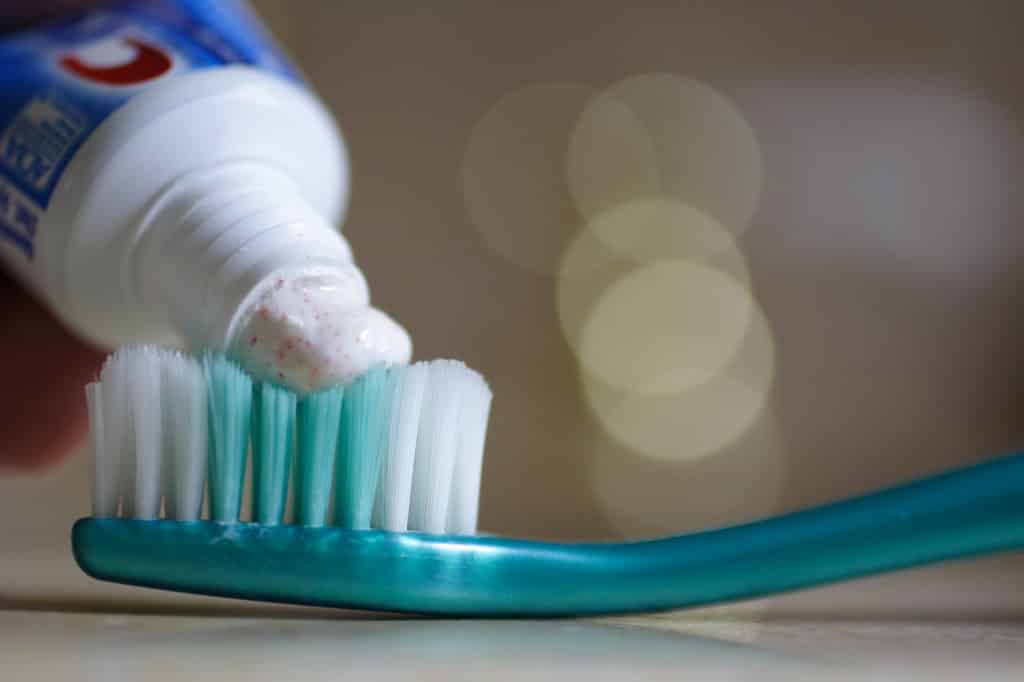
While most kinds of toothpaste can help reduce tartar, prevent cavities, and improve gum health, some are arguably better than others. This is especially true when it comes to fluoridated toothpaste versus non-fluoridated toothpaste. For those who may not be as familiar with fluoride, it is a naturally-occurring mineral that not only protects against cavities but also aids in repairing early-stage tooth decay as well. Fluoride is in our drinking water and many of the foods that we eat; however, the highest concentration is found in fluoride-containing toothpaste. Even though non-fluoridated toothpaste can remove tartar, freshen breath, and whiten teeth as well, fluoridated toothpaste is a better choice for all-around better oral health.

HOW MUCH FLUORIDE IS NEEDED FOR HEALTHIER TEETH?

According to a study published by the National Institute of Health, the primary agency of the United States government responsible for biomedical and public health research, fluoride-containing toothpaste needs to have a minimum fluoride concentration of 1,000 parts per million (ppm) to protect against cavities and to undo early-stage tooth decay. That said, most of the popular toothpaste brands on the market contain somewhere between 1,350 and 1,450 ppm of sodium fluoride or sodium monofluorophosphate, both of which can contribute to healthier, stronger teeth.

WHAT MAKES FLUORIDE SO EFFECTIVE WHEN IT COMES TO IMPROVING ORAL HEALTH?

Why You Should Look for Toothpaste That Contains Fluoride

Brushing twice per day with toothpaste that contains fluoride can help make enamel, the hard surface layer of the teeth, less susceptible to the acids and bacteria in our mouth that can cause cavities. It can also remineralize tooth enamel that has already been decalcified by plaque acids and other oral bacteria. Fluoride-containing toothpaste also prevents cavities and improves oral health by contributing to the following:

  • Stimulating fluorapatite production (stronger and more acid-resistant enamel)
  • Slowing or preventing the growth of oral bacteria
  • Preventing cavity-causing bacteria from bonding to teeth

IS FLUORIDE SAFE?

Although there have been claims made about the ill-effects associated with using toothpaste that contains fluoride, such as reduced bone density and an increased risk for developing certain cancers, most are unsubstantiated. Also, most dentists and hygienists are proponents of brushing twice a day with fluoridated toothpaste for better oral health. What’s more, the CDC (Centers for Disease Control and Prevention) has named fluoride as one of the greatest modern-day achievements when it comes to maintaining good oral health.

CHOOSING THE RIGHT FLOURIDE-CONTAINING TOOTHPASTE

When it comes to choosing the right fluoride-containing toothpaste, it often comes down to a matter of personal preference as most popular brands contain some degree of fluoride, especially those with the ADA (American Dental Association) Seal of Acceptance. Nonetheless, you will still want to ensure that the toothpaste you choose has a fluoride concentration of at least 1,000 ppm.

In summation, brushing your teeth twice per day with a toothpaste that contains fluoride can go a long way toward lowering your risk of developing cavities and improving your overall oral health. However, it can’t repair large cavities or reverse other serious dental problems. That said, if you haven’t been to the dentist in a while, you’re encouraged to schedule an appointment with Mountain View Dental today.

Filed Under: Dental Hygiene, Fluoride

  • « Previous Page
  • 1
  • …
  • 33
  • 34
  • 35
  • 36
  • 37
  • …
  • 61
  • Next Page »

Dentist Office

2797 U.S. 89 #201
Pleasant View, UT 84414

(385) 324-3557
[email protected]
Monday 8 AM - 5 PM
Tuesday 8 AM - 7 PM
Wednesday 8 AM - 7 PM
Thursday 8 AM - 7 PM
Friday 8 AM - 3 PM
Saturday 8 AM - 12 PM
Sunday Closed

Quick Links

New Patient
Schedule Appointment
FAQ

Proudly accepting new patients from: Pleasant View, North Ogden, Harrisville, Farr West, Marriott-Slaterville, Ogden, Plain City, South Willard, Willard and Perry!

Contact Us

This field is for validation purposes and should be left unchanged.

Follow Us

Popular Content

  • General Dentistry
  • Family Dentistry
  • Cosmetic Dentistry
  • Dental Crowns
  • Dental Exams
  • Dental Implants

© 2026 | Mountain View Dental | All Rights Reserved | Accessibility | Anti-Discrimination | Healthcare Disclaimer | HIPAA Privacy Policy | Privacy Policy | Terms | XML Sitemap | Sitemap | Site by PDM