When Should Your Child Visit the Dentist for the First Time? A Guide for North Ogden Parents
August 12, 2026

Mountain View Dental
Pleasant View Dental Office
September 24, 2026
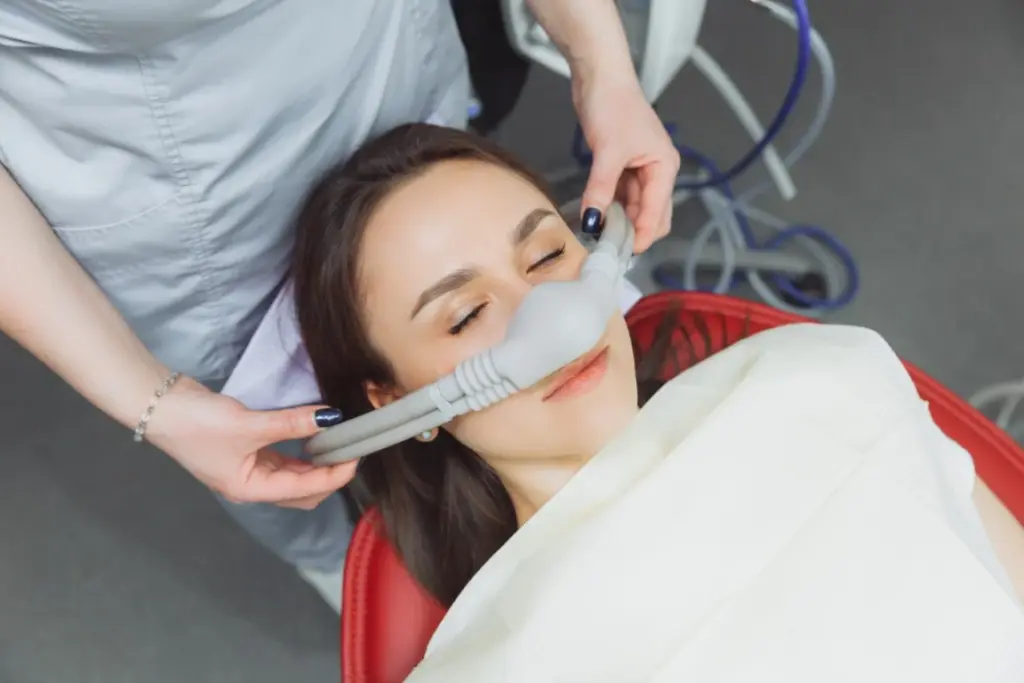
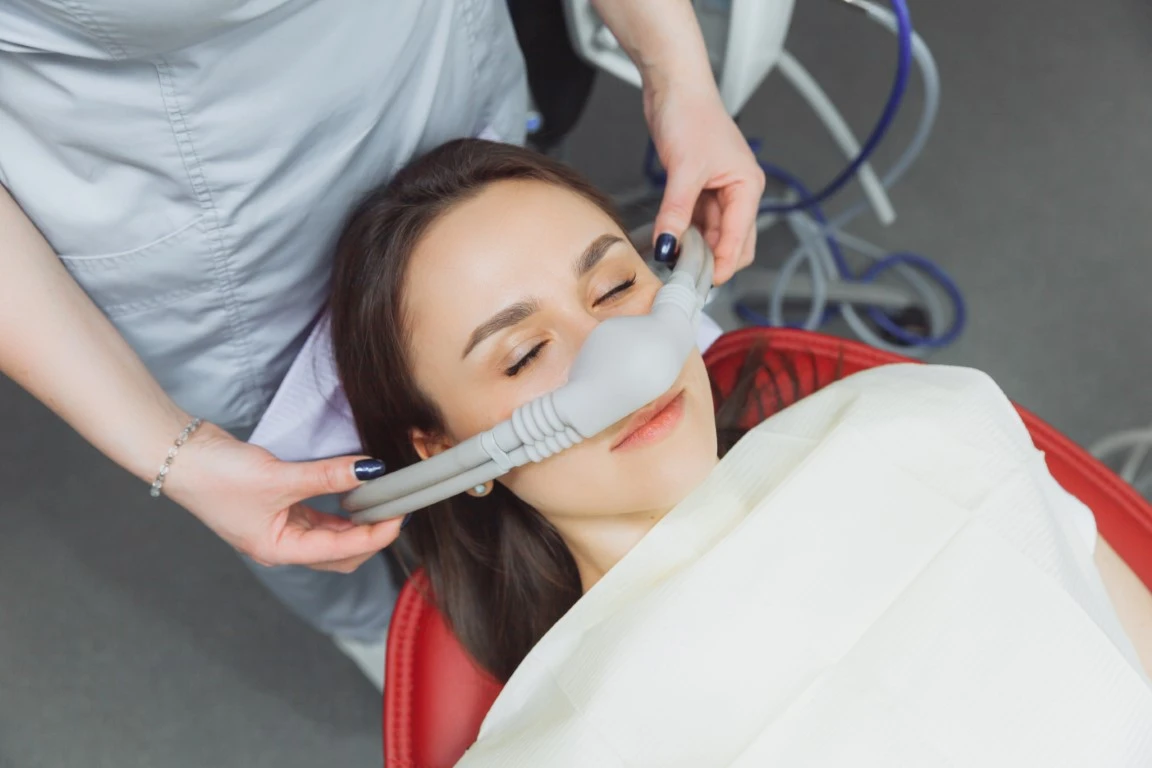
Dental anxiety isn’t an uncommon phobia many patients face, but it can prevent you from seeking essential care. When you’re dealing with major oral health complications, including significant discomfort, gum swelling, and frequent bleeding, reaching out to your dentist for care isn’t just recommended; it’s essential for protecting yourself against long-term problems.
If your dental anxiety has previously prevented you from seeking care, even when facing oral health complications, sedation dentistry is the ideal solution. However, if you’ve never considered this option before, it is important to understand what options are available to you before heading into your next dental appointment.
In this blog, we’ll explore what sedation dentistry is, how to determine which is best for your upcoming care, and what to expect before, during, and after your appointment.
Sedation dentistry is designed to help patients feel more calm and comfortable while receiving the dental care they need. For individuals with dental anxiety, even a routine appointment can feel overwhelming, leading them to postpone cleanings, restorative treatments, or other essential services.
The appropriate sedation option can help reduce feelings of fear and make it easier to remain relaxed throughout the appointment. Depending on the type of sedation used, you may feel mildly relaxed while remaining fully alert or enter a deeper state of relaxation with little memory of the procedure afterward.
Sedation dentistry can also be beneficial for patients with a strong gag reflex, difficulty sitting still for extended periods, or anxiety surrounding complex dental procedures. The right option depends on your needs, medical history, anxiety level, and the treatment you’re receiving. Your team can evaluate these and recommend the safest, most appropriate solution for you.
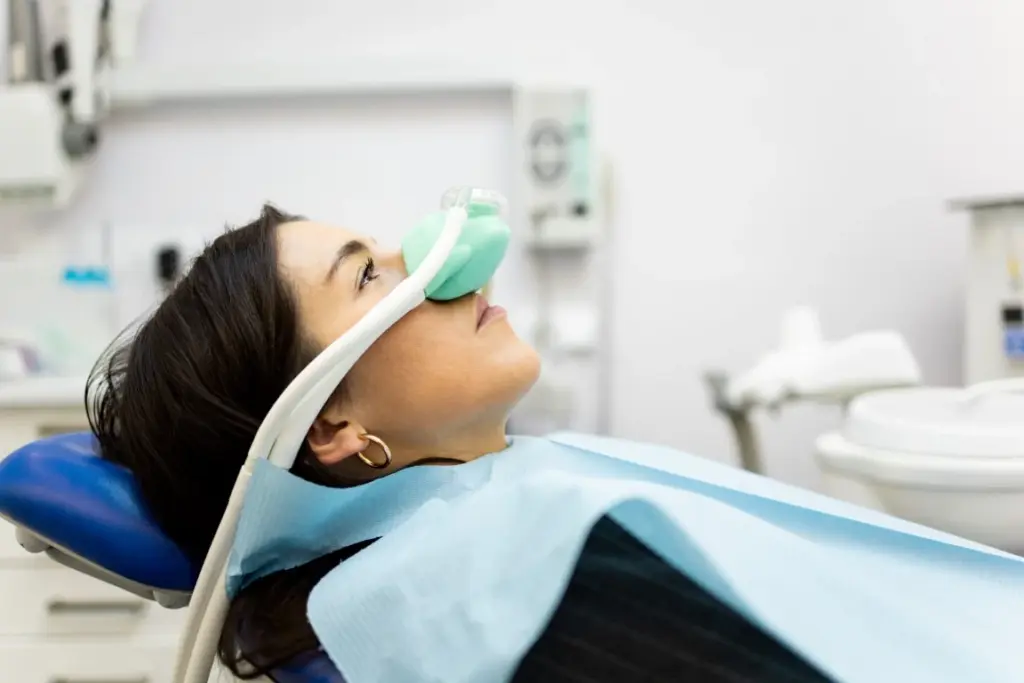
To make the most informed decision for your upcoming sedation dentistry appointment, it is essential that you understand the key differences between the most common options. When discussing sedation dentistry, your dentist may recommend nitrous oxide and IV sedation. These two vary greatly, but are both reliable options.
Nitrous Oxide:
IV Sedation:
While nitrous oxide and IV sedation are both incredibly reliable sedation options, it is important that you know which is right for you and your upcoming care. The best way to determine which sedation option is best for you is to consult your dental team. They will help you determine whether nitrous oxide or IV sedation is right for your upcoming appointment.
IV sedation is great for more intense dental procedures, including wisdom tooth extractions, lengthy procedures, or dental implant placement. However, it is also important to consider potential fear of needles. IV sedation is not possible without the use of needles. If your fear of needles outweighs your dental anxiety, you may not be the best candidate for this care.
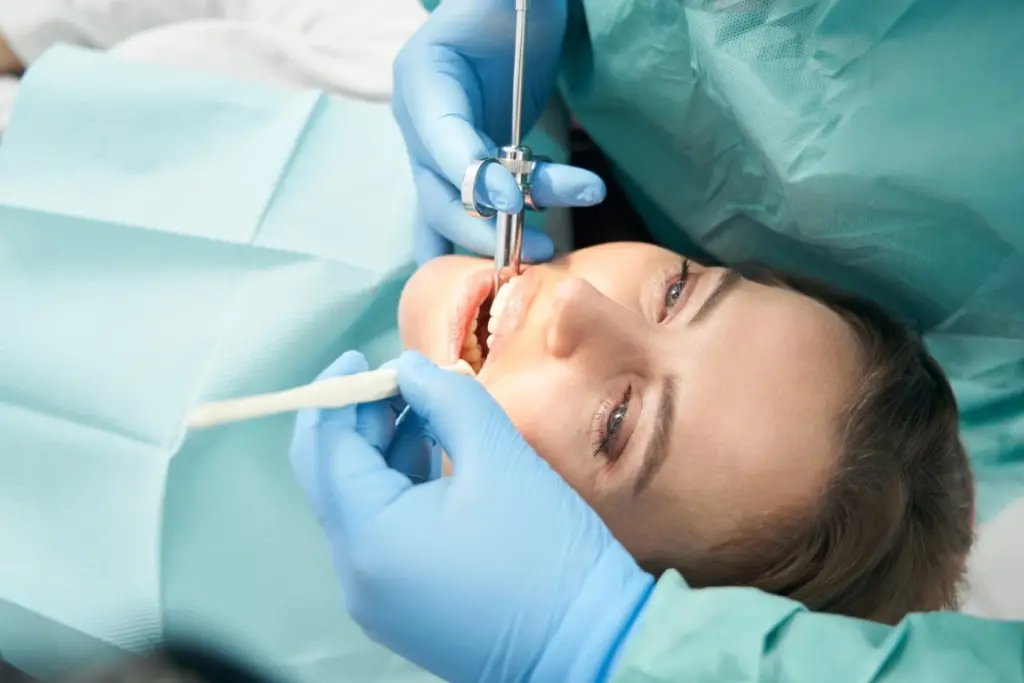
Instead, nitrous oxide will be your best solution for ensuring your comfort throughout the care. This is also the most common sedation dentistry option for anyone undergoing dental fillings, scaling and root planing, and crown preparation. Ultimately, it is best to listen to the advice provided by your dental team, as they will have the best idea of what is right for your situation.
How you should prepare and what you can expect from sedation dentistry will vary significantly based on your chosen care. If you and your dental team have decided that nitrous oxide is the right sedative option for your upcoming care, there isn’t much preparation you’ll need to do. They will administer the nitrous oxide while you’re in the chair, providing immediate relief.
After your appointment, they will provide you with pure oxygen to help reduce any cloudy-headedness, allowing you to drive yourself home from your appointment. However, if you’re undergoing IV sedation, preparation for your appointment will be a bit different. First, you will need to ensure you have a ride to and from the appointment, as you cannot drive afterward.
You will also need to avoid eating 8 hours before your appointment. Once at the appointment, the team will insert an IV and begin administering your sedative. This sedation happens quickly, allowing your team to quickly begin their work. When your care is completed, the team will reduce the flow of sedation medication, allowing you to naturally wake up.
After this care, you may still feel incredibly drowsy. You will need to avoid driving, working, consuming alcohol, and making important decisions for 24 hours afterward. While the aftercare is more intense than with nitrous oxide, it does allow for much more extensive work without fear of spiking your anxiety levels.

Dealing with dental anxiety can be incredibly difficult, but with sedation dentistry, it becomes much easier for patients to undergo essential care. If you’ve been dealing with dental anxiety for quite some time and want to work with a team who can help you through this, turn to our team at Mountain View Dental for support. With our varying sedation options and in-office support, you can trust that you’re on the road to improved oral health. From standard cleanings to more complex care, our team is here to provide you with the support you deserve.
If you would like to learn more about our sedation dentistry options and whether they’re right for you, don’t hesitate to contact our team today.

August 12, 2026

July 7, 2026

June 25, 2026
May 21, 2026